Last updated October 31, 2026
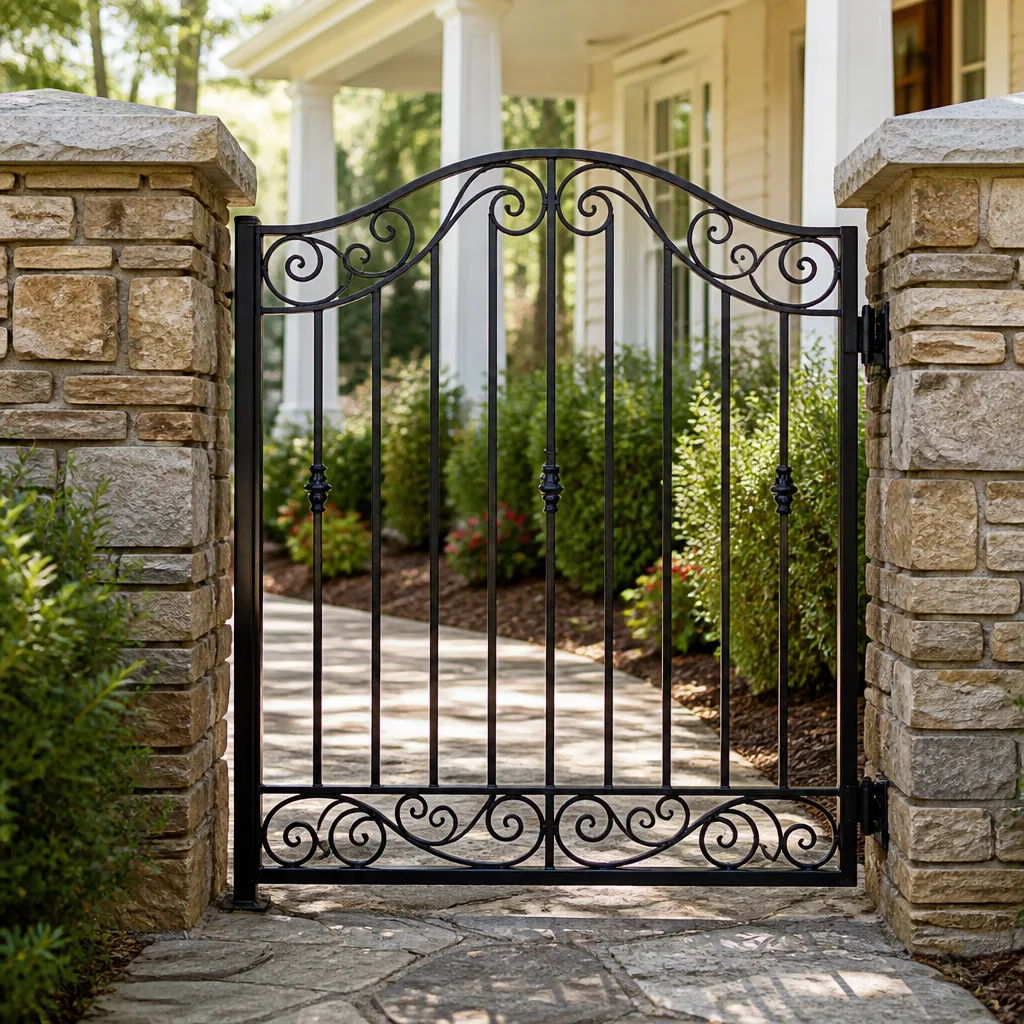 Wrought iron
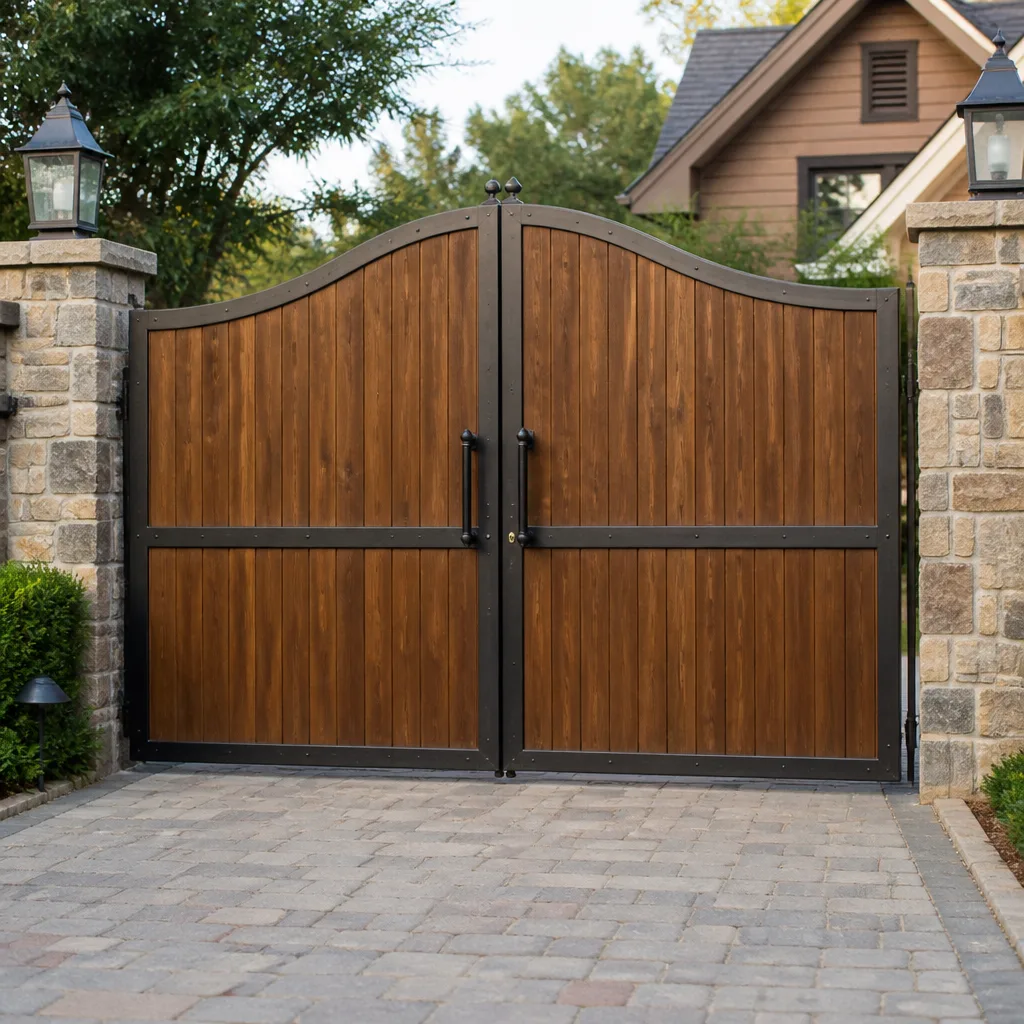 Wood & steel frame
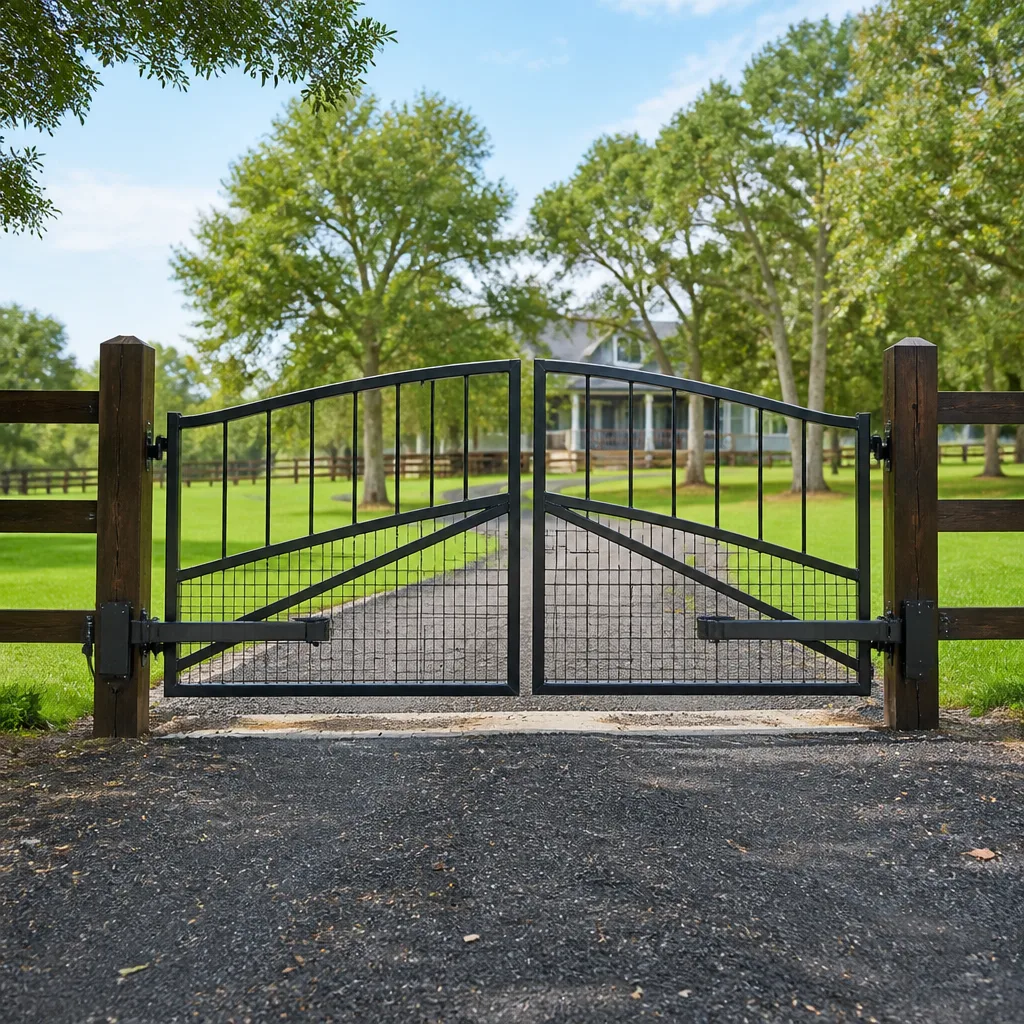 Farm & ranch
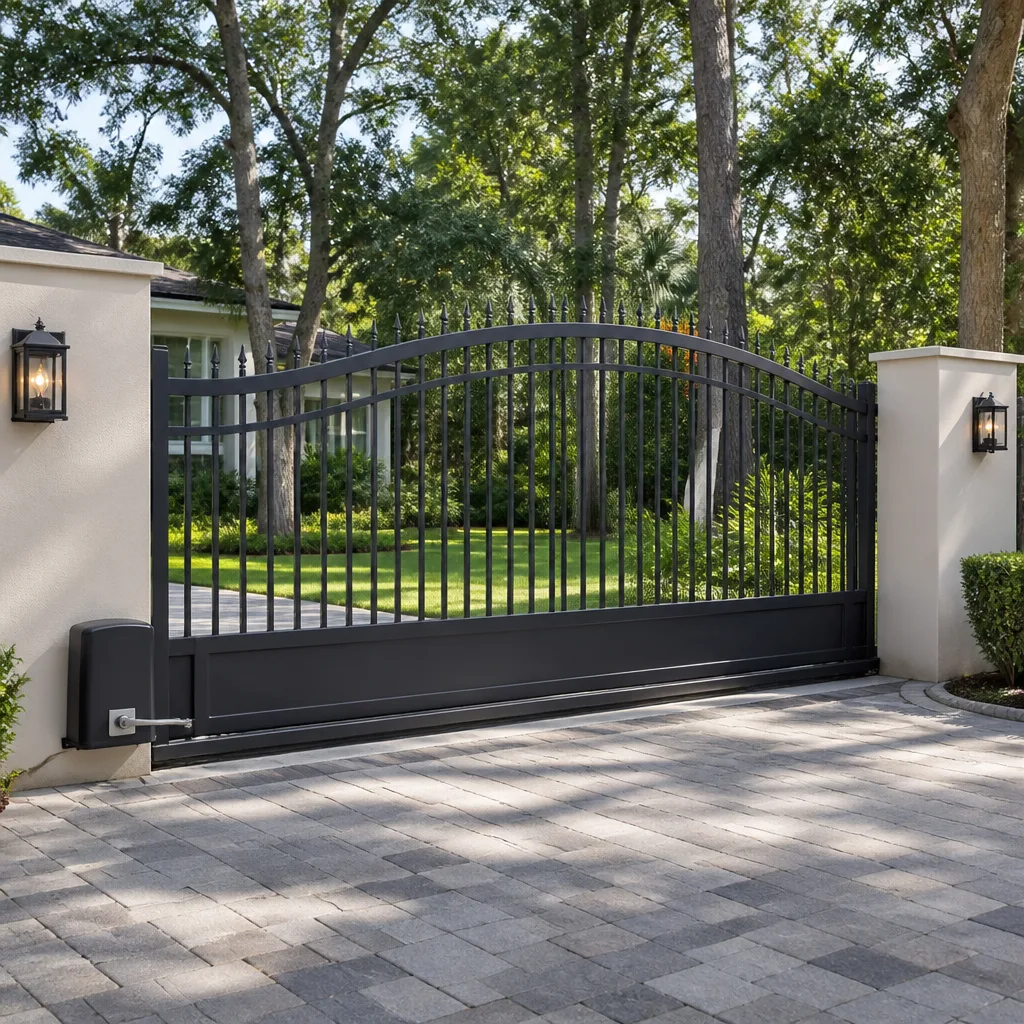 Sliding driveway gates
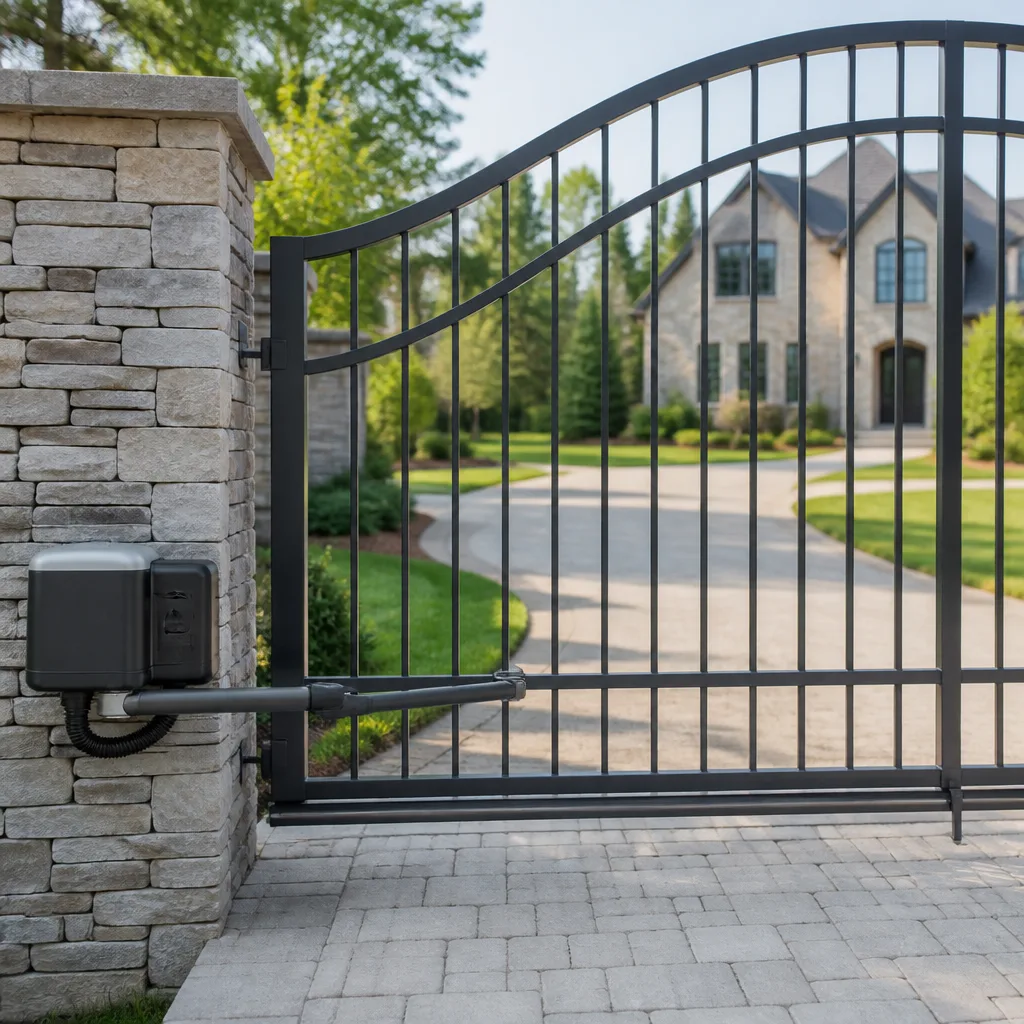 LiftMaster operators
Free on-site gate assessment - hinges, posts, and your LiftMaster or Nice gate operator checked before anything is quoted
The assessment is free and the quote is the invoice.
Get your free estimateSeasonal Gate Repair Care for Tampa: Year-Round Homeowner’s Guide
Most Tampa homeowners think gate failures happen during hurricane season. The truth is messier: the dry season is when most Tampa gate failures get their start. November through April’s low humidity causes rubber seals to shrink, crack, and lose their grip on hinge pins and operator housings. Nobody notices until the wet season arrives and those hairline cracks become water highways into your operator’s control board. This guide walks through what to inspect, when to inspect it, and what actually matters in Tampa’s two-season climate, so you can catch problems before they strand your car on the wrong side of a dead gate at 7 a.m. For deeper reading, see our Complete Gate Repair Guide for Tampa Homeowners.
Styles & brands we work with
Quick Answer
Seasonal gate maintenance in Tampa means timing your inspections around the wet season (June through October) and the dry season (November through May). The two most important tasks are preparing your gate for daily thunderstorms in April and May, and treating corrosion and seal damage during the dry months when repairs bond properly. A homeowner with basic tools can handle about 20 percent of this work; the rest involves high-tension springs, low-voltage wiring, and operator internals that should only be touched by someone who works on gates every day.
Table of Contents
- Tampa’s Two Seasons and What They Do to Your Gate
- Pre-Wet-Season Preparation: April Through May
- Active Wet-Season Monitoring: June Through October
- Dry-Season Recovery Tasks: November Through January
- Tampa Cold Snaps and Battery Backup Behavior
- Florida Landscaping Growth and Gate Obstruction
- Monthly DIY Maintenance Tasks Any Homeowner Can Handle
- Common Mistakes to Avoid
- When to Call a Professional
- Frequently Asked Questions
- The Bottom Line
Tampa’s Two Seasons and What They Do to Your Gate
Tampa doesn’t have four seasons. It has a wet season that runs from June through October and a dry season that runs from November through May. Each one attacks your gate differently, and if you only inspect your gate once a year, you’re reacting to damage instead of preventing it.
During the wet season, daily afternoon thunderstorms dump an average of 7 to 8 inches of rain per month on Tampa. Humidity sits above 85 percent for weeks at a time. Gate operators, hinge pins, and control boards absorb that moisture through every seam, gasket, and wire entry point. The result is corrosion inside control boxes, swollen wood on wood-framed gates, and rust forming on bare metal surfaces that stayed dry all winter.
The dry season brings the opposite problem. Relative humidity drops into the 30s and 40s for stretches, especially from January through March. Rubber seals around the operator housing shrink and pull away from their mounting surfaces. Grease in hinge bearings thickens. Powder-coated gate frames expand and contract with the temperature swings between cool nights and warm afternoons. None of this fails immediately. It fails in June, when the first two weeks of daily rain find every gap the dry season created.
In our experience, roughly two-thirds of wet-season gate failures in Tampa trace back to something that could have been caught in April or May. That’s the pattern: dry-season damage, wet-season failure. A seasonal care schedule built around that pattern saves you money because it fixes problems when they’re small, dry, and accessible.
If you’re looking for a broader overview of what typically fails on Tampa gates, our Gate Repair in Tampa page covers the most common breakdowns and what they cost to fix.
Pre-Wet-Season Preparation: April Through May
Late April and May are your last reliable window to prepare a gate for daily thunderstorms. The ground is still relatively dry, temperatures are warm enough for sealants and lubricants to cure properly, and you’re not fighting standing water to reach the operator.
Here’s the pre-wet-season checklist we recommend for every Tampa gate, manual or automatic, swing or slide:
- Inspect every rubber seal and gasket. Look at the operator housing, the control box lid, the conduit entry points, and any rubber boots on limit switches. Dry-season shrinkage shows up as gaps, cracks, or seals that have pulled back from their mounting surface. Replace anything that doesn’t sit tight.
- Check your surge protection. Tampa’s afternoon lightning storms are among the most frequent in the country. A direct strike to your gate operator is rare, but a surge traveling through underground power lines is not. If your operator is plugged into a standard outlet, a plug-in surge protector rated for outdoor motors costs under $40 and takes five minutes to install. If your operator is hardwired, have a licensed electrician add a surge protector at the panel.
- Clear drainage around the gate posts and track. Leaf litter, mulch, and soil wash toward the lowest point of your driveway during heavy rain. If that lowest point is your slide gate track or the base of your swing gate posts, water pools there. Clear a channel so water flows away from the gate, not through the operator.
- Test the manual release. Every automatic gate should have a manual release mechanism. Test it in May, before you need it during a power outage in July. If the release lever is stiff or the gate won’t move by hand, fix it now.
- Lubricate hinges, rollers, and the track. Use a silicone-based lubricant, not WD-40. Silicone stays put through rain and doesn’t attract grit the way petroleum-based products do. Focus on hinge pins, roller bearings, and any pivot points on the actuator arm.
- Verify the safety loops and photo eyes. Most Tampa gate systems have vehicle detection loops in the driveway and photo eyes at the gate opening. A heavy rain can shift soil around the loop or knock a photo eye slightly out of alignment. Test everything before the storms start, not after the gate refuses to close.
If your gate operator is electric, this is also the time to verify that the control board enclosure is properly sealed. Water intrusion into the control box is the single most common wet-season failure we see on electric gate systems in Tampa. A $12 tube of exterior-grade silicone caulk applied around wire entry points in May prevents a $400 control board replacement in August.
Active Wet-Season Monitoring: June Through October
Once the daily storms start, your maintenance routine shifts from prevention to monitoring. You’re not making major repairs during the wet season unless you have to; you’re watching for the early signs that water is getting where it shouldn’t.
After each major storm event, and at minimum once every two weeks, do the following:
- Check for standing water near the operator. If water pools around the base of the gate post or under the operator housing after a heavy rain, you have a drainage problem that needs to be addressed. Even if the water drains within a few hours, repeated pooling will eventually find its way into the operator.
- Open the control box and look for condensation. This is a five-second check that catches most water-intrusion problems early. If you see moisture droplets on the inside of the control box lid, or if the circuit board looks damp, the enclosure seal has failed. Dry it out immediately and find the leak point before the board shorts.
- Listen for changes in motor sound. A gate operator that suddenly sounds labored, whines, or cycles slower than usual after a storm is telling you something. It could be water in the motor, a misaligned track from soil shifting, or a hinge that’s starting to bind. Don’t ignore a change in sound.
- Watch for delayed or incomplete open/close cycles. If the gate starts, stops, reverses, or hesitates mid-cycle after a storm, the safety system may be triggered by something new: a shifted photo eye, water in the loop detector, or a low-voltage short. These problems compound quickly in wet conditions.
- Inspect the gate frame for swelling or warping. Wood-framed gates absorb humidity and swell. Composite and metal gates are less affected, but their mounting hardware can shift if the posts move in saturated soil. A gate that was perfectly aligned in May may drag or bind by August.
One wet-season problem unique to Tampa is the combination of high humidity and organic debris. Leaves, grass clippings, and pine needles stick to wet lubricant on tracks and rollers, creating a gritty paste that accelerates wear. If you lubricated in May, wipe down the track and reapply a light coat of silicone in July or August if debris buildup is visible.
If you notice any of these signs and they don’t resolve with basic cleaning or alignment, that’s the point to call a specialist. Some wet-season problems, especially control board issues, get worse and more expensive the longer they’re left alone. Our gate installation team in Tampa also handles repair work, and we can tell you quickly whether a wet-season issue is urgent or can wait until the dry season for a more thorough fix.
Dry-Season Recovery Tasks: November Through January
The dry season is Tampa’s version of fall: cooler, less humid, and ideal for the kind of repair work that doesn’t bond or cure well in wet conditions. This is when you fix what the wet season revealed and prepare the gate for the next cycle.
Prioritize these tasks between November and January:
- Treat visible corrosion. Surface rust that appeared on hinges, brackets, or the gate frame during the wet season should be treated now, while the metal is dry. Wire-brush the rust, apply a rust converter, and touch up with a matching paint. On galvanized or powder-coated surfaces, use a cold galvanizing spray to prevent the rust from spreading.
- Replace weather-seals and gaskets. If any seal showed signs of leaking during the wet season, replace it now. New rubber seals install more easily in low humidity and form a tighter bond. Pay special attention to the control box lid gasket and any conduit entry seals.
- Adjust gate alignment and hinge tension. The wet season can shift gate posts, especially in Tampa’s sandy soils, which drain fast but don’t hold posts as firmly as clay. If your gate drags, binds, or doesn’t close fully, the dry season is the time to adjust it. Metal expands slightly in heat and contracts in cool air, so the alignment you set in January will stay true through the summer.
- Clean and re-lubricate all moving parts. Remove the wet-season grime from hinges, rollers, tracks, and actuator arms. Then apply a fresh coat of silicone-based lubricant. This is also a good time to check for worn rollers or hinge pins that need replacement before they fail under load.
- Test the full cycle limits and safety stops. With the gate clean, aligned, and lubricated, run several full open and close cycles and verify that the limit switches stop the gate precisely where they should. Adjusting limits now prevents the gate from slamming or reversing erratically later.
Some gate brands are more sensitive to dry-season adjustments than others. Linear and BFT operators, for example, have limit settings that drift slightly with temperature changes. If you have one of those operators and the gate stops a few inches short after a cold snap, that’s usually a limit adjustment issue, not a motor failure. Ghost Controls and Viking systems are less affected by temperature drift but more sensitive to photo eye alignment, so check those after any post shift.
For homeowners who want a professional once-over during the dry season, this is the best time of year to schedule it. Technicians can work faster, parts cure properly, and any problems found in January can be fixed before the next wet season begins. Our Kingston Gate Repair home page has details on what a full inspection covers.
Tampa Cold Snaps and Battery Backup Behavior
When Tampa temperatures drop below 40°F, which happens a handful of nights each winter, gate systems behave differently. The most common complaint we hear after a cold snap is that the gate opened fine that morning and then wouldn’t respond by midday. The culprit is usually the battery backup.
Most automatic gate operators in Tampa include a battery backup system that keeps the gate operational during power outages. These batteries are typically sealed lead-acid or lithium-ion units housed inside or adjacent to the operator. Lead-acid batteries lose significant capacity in cold weather. A battery that provides 20 open/close cycles at 80°F might only provide 8 to 10 cycles at 35°F. If your gate operates on battery power overnight during an outage and then fails the next morning, the cold reduced the battery’s effective capacity, not the motor.
There’s a second cold-weather effect: condensation. When a cold night is followed by a warm, humid morning, which is common in Tampa during winter, condensation forms inside control boxes and on circuit boards. This is the same phenomenon as water beading on a cold glass of tea. If the operator runs fine on a cold morning but the control board fails as the day warms up, condensation is the likely cause.
What you can do:
- Check battery age. Most gate operator backup batteries last 3 to 5 years in Tampa’s heat, which degrades batteries faster than cold. If your battery is older than that, replace it before winter, not during a cold snap.
- Ask about a heating element. Some operators, including several models from BFT and Viking, offer optional internal heaters that prevent condensation and keep batteries warm. These are more common in northern installations, but they’re useful in Tampa’s rapid warm-up mornings too.
- Keep the control box dry. If you notice condensation after a cold night, open the control box during the warm part of the day and let it dry out. Then check the enclosure seal. Persistent condensation indicates a seal problem, not a weather problem.
Most cold-snap gate issues in Tampa resolve on their own once temperatures return to normal. But if a gate fails during a cold snap and doesn’t recover, the cold exposed a latent problem: a weak battery, a marginal capacitor, or a control board that was already failing. That’s worth addressing before the next cold front arrives.
Florida Landscaping Growth and Gate Obstruction
Northern gate maintenance guides mention trimming branches once in the fall and moving on. Tampa doesn’t work that way. Our growing season runs year-round, and several plants common to Tampa landscaping grow aggressively enough to interfere with gate operation within a single month.
The biggest offenders:
- Bougainvillea and confederate jasmine planted near gate posts grow fast and send tendrils into hinge mechanisms and operator arms. A vine wrapped around a hinge pin can bind the gate or stress the operator motor.
- Live oak branches droop under their own weight and sweep across the top of swing gates. Over time, the repeated contact scratches paint, bends decorative finials, and can knock photo eyes out of alignment.
- Saw palmetto and shrub roots grow laterally and can shift shallowly-set gate posts or disrupt the buried vehicle detection loop wiring. Loop wire repairs in Tampa usually trace back to root intrusion.
- St. Augustine grass sends runners across slide gate tracks constantly during the growing season. A track clogged with grass runners causes the gate to bind and puts extra load on the drive motor.
The practical rule for Tampa homeowners is to inspect the area around your gate every two weeks during the wet season and once a month during the dry season. Look for any plant material within 12 inches of the gate’s full travel path. If it’s touching, trim it. Check the slide gate track for organic buildup every time you mow. A gate operator that has to push through grass, vines, or branches is working harder than it was designed to, and that extra load shortens the motor’s life.
We also see a pattern where homeowners plant new landscaping near the gate without thinking about how big that plant will be in three years. That 18-inch bougainvillea from the nursery becomes a 15-foot vine in two Tampa growing seasons. If you’re planting near a gate, choose slow-growing, non-vining species and keep them at least 3 feet from the gate’s travel path.
Monthly DIY Maintenance Tasks Any Homeowner Can Handle
Some gate maintenance is accessible to a homeowner with basic tools and a willingness to spend 15 minutes a month. The key is knowing which tasks are safe and which require a professional. High-tension springs, steel cables, and anything involving electrical wiring are not DIY territory. The following tasks are.
The 15-minute monthly check:
- Walk the gate path. Push the gate through its full open and close range manually (if it has a manual release). Feel for resistance, binding, or scraping. A gate that moves smoothly by hand moves easily for the operator too.
- Inspect visible hardware. Look at hinge bolts, bracket bolts, and operator arm connections. Tighten anything that’s loose. On wooden gates, check for wood rot around bolt holes, especially near the bottom where water collects.
- Check the photo eyes. Make sure they’re clean, aligned, and free of spider webs or debris. Test them by blocking the beam while the gate is closing; the gate should reverse. If it doesn’t, that’s a safety issue to address immediately.
- Clear the track. For slide gates, remove leaves, grass clippings, and gravel from the track and the roller path. A clean track extends the life of both the rollers and the drive motor.
- Listen during operation. Run the gate through a full cycle while standing nearby. A grinding sound usually means a bearing or roller needs replacement. A clicking sound often indicates a limit switch issue. A humming sound with no movement means the motor is straining or the gate is jammed. Note any change in sound from the baseline you’re used to.
These monthly checks won’t prevent every failure, but they will catch most problems in the earliest stages, when they’re cheaper to fix. They also help you learn what “normal” sounds and feels like for your specific gate, which makes it easier to notice when something changes.
Common Mistakes to Avoid
- Lubricating with WD-40. WD-40 is a solvent, not a lubricant. It strips existing grease and evaporates, leaving metal drier than before. Use a silicone-based lubricant on gate hinges and rollers.
- Ignoring a slow gate. A gate that gradually opens or closes slower than it used to is sending a clear signal that something is wearing out or binding. It’s a $40 fix now or a $400 fix later.
- Painting over rust without treating it. New paint bonds poorly to rust. The rust keeps spreading underneath, and the paint peels within months. Remove the rust, treat the metal, then paint.
- Testing the manual release for the first time during a power outage. The manual release is not self-evident on every operator. Test it in good weather so you know exactly how it works and that it’s functional.
- Placing mulch against gate posts. Mulch holds moisture against the post and accelerates rot on wood posts and rust on metal posts. Keep mulch at least 6 inches away from any gate post.
- Setting the gate to auto-close too aggressively during wet season. Wet sensors, dirty photo eyes, and heavier gates from water absorption can make the safety system trigger mid-cycle. If your gate reverses unpredictably after rain, check the sensor alignment before adjusting the auto-close timer.
- Assuming a dead remote means a dead operator. Remote batteries fail in Tampa’s heat faster than northern climates. If the gate won’t respond to any remote, but the keypad works, start with fresh batteries before calling anyone.
When to Call a Professional
Some gate problems are beyond the scope of a homeowner with a wrench and a tube of lubricant. Call a professional when you see any of these: the gate sags visibly and drags on the ground; the operator makes a loud grinding or chattering sound; the control board shows error codes you don’t understand; the gate reverses unpredictably for no apparent reason; or the system involves high-tension springs, steel cables, or anything connected to mains voltage. These components can cause serious injury if handled incorrectly.
We also recommend professional attention when your gate uses an access-control system tied to a keypad, intercom, or vehicle loop. Troubleshooting a loop detector that fails only after heavy rain requires equipment most homeowners don’t keep in the garage. Kingston Gate Repair in Tampa offers free estimates on all repair and replacement work, so you can find out what’s wrong and what it costs before committing to anything. Call (877) 752-3303 to schedule an inspection.
Frequently Asked Questions
A professional seasonal inspection and tune-up for a residential gate in Tampa typically costs between $150 and $300, depending on the gate type and whether any parts need replacement. Simple tasks like lubrication, alignment checks, and seal inspection fall on the lower end of that range. If the inspection uncovers a failing component such as a control board, hinge bearing, or operator arm, the total cost rises accordingly. Kingston Gate Repair services include a written quote before any work begins, so you’ll know the exact price before you approve it.
Inspect your gate monthly during the wet season from June through October and every other month during the dry season from November through May. Tampa’s humidity, daily summer storms, and year-round plant growth mean problems develop faster here than in drier climates. A gate that’s ignored for six months in Tampa will almost certainly develop at least one issue that needs attention.
You should not attempt to repair a water-damaged control board yourself. These boards contain capacitors that can hold a charge even when the power is off, and the damage from water intrusion is rarely visible without testing individual components. A qualified gate technician can test the board, determine whether it can be dried and salvaged, and replace it if necessary. Continued operation of a water-damaged board can cause further damage to the operator motor.
The most common wet-season gate failure in Tampa is water intrusion into the operator control box, which shorts the control board. This typically happens because rubber seals shrink during the dry season and are never checked before the rains begin. The fix is usually straightforward: dry out the enclosure, replace the failed seal, and in some cases replace the control board if it’s too far gone to salvage.
Yes, Tampa’s lightning frequency makes surge protection strongly recommended for any automatic gate operator. A nearby strike can send a voltage spike through underground power lines and into your operator’s control board, destroying it instantly. A plug-in surge protector for cord-connected operators or a whole-panel surge protector for hardwired systems is inexpensive insurance against a very expensive repair.
A gate that fails specifically in January or February is often suffering from cold-related effects: reduced battery backup capacity in temperatures below 40°F, condensation forming inside the control box on cold-night/warm-day cycles, or temperature-driven limit switch drift in certain operator brands. These failures usually point to a component that was marginal before the cold arrived, such as an aging battery or a seal that’s no longer airtight. The cold didn’t create the problem; it exposed it.
The Bottom Line
Tampa’s wet/dry cycle means your gate needs attention twice a year, not once. April and May are for storm preparation: seals, surge protection, drainage, and lubrication. November through January are for recovery and repair: corrosion treatment, seal replacement, and alignment work that cures best in low humidity. Between those windows, a 15-minute monthly check keeps you ahead of most problems. The homeowners who avoid major gate repair bills in Tampa are the ones who treat seasonal care as a routine, not a reaction. For more guides & resources, visit our blog. If you’re not sure where to start, or you’ve found something during an inspection that concerns you, call Kingston Gate Repair at (877) 752-3303 for a free estimate. We work on your brand, and we’ll tell you exactly what’s wrong and what it costs before any work begins.
Written by the team at Kingston Gate Repair, serving Tampa since 2013.
See the difference
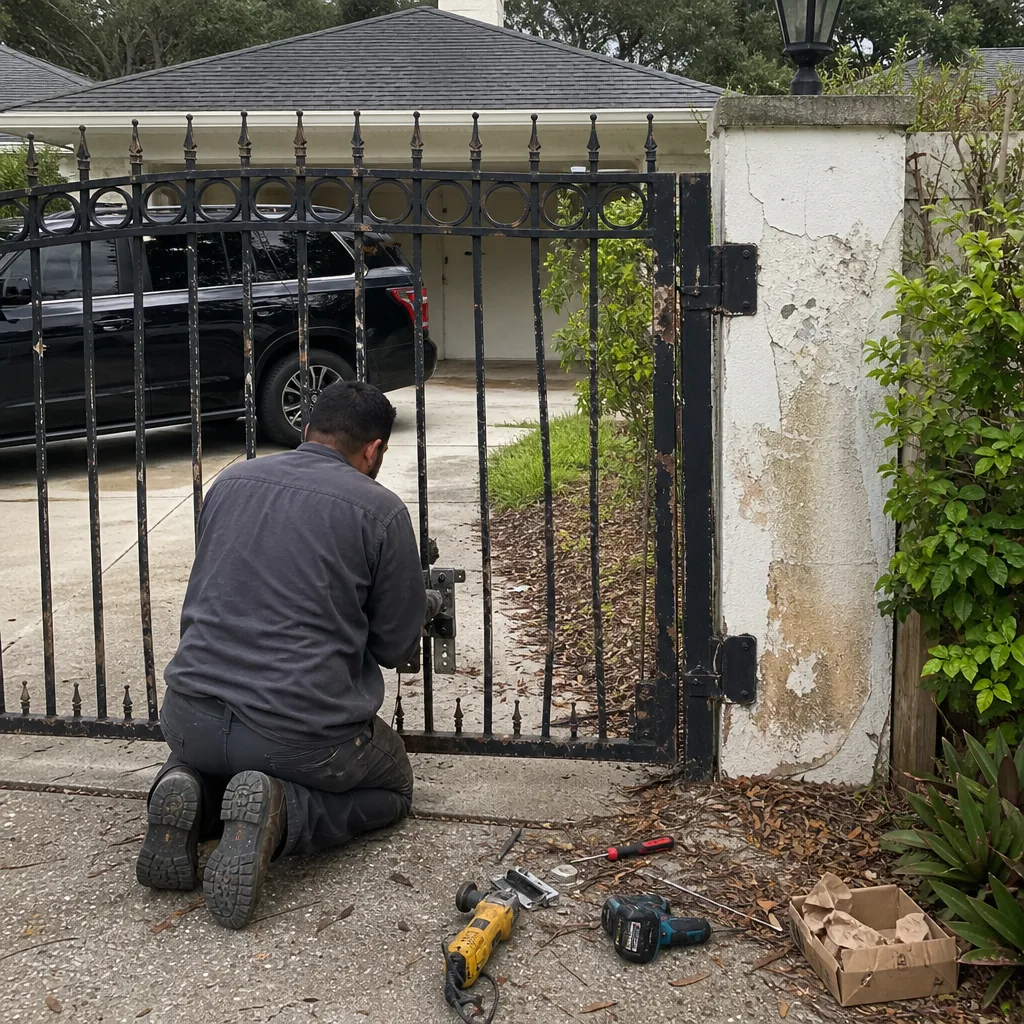 Before
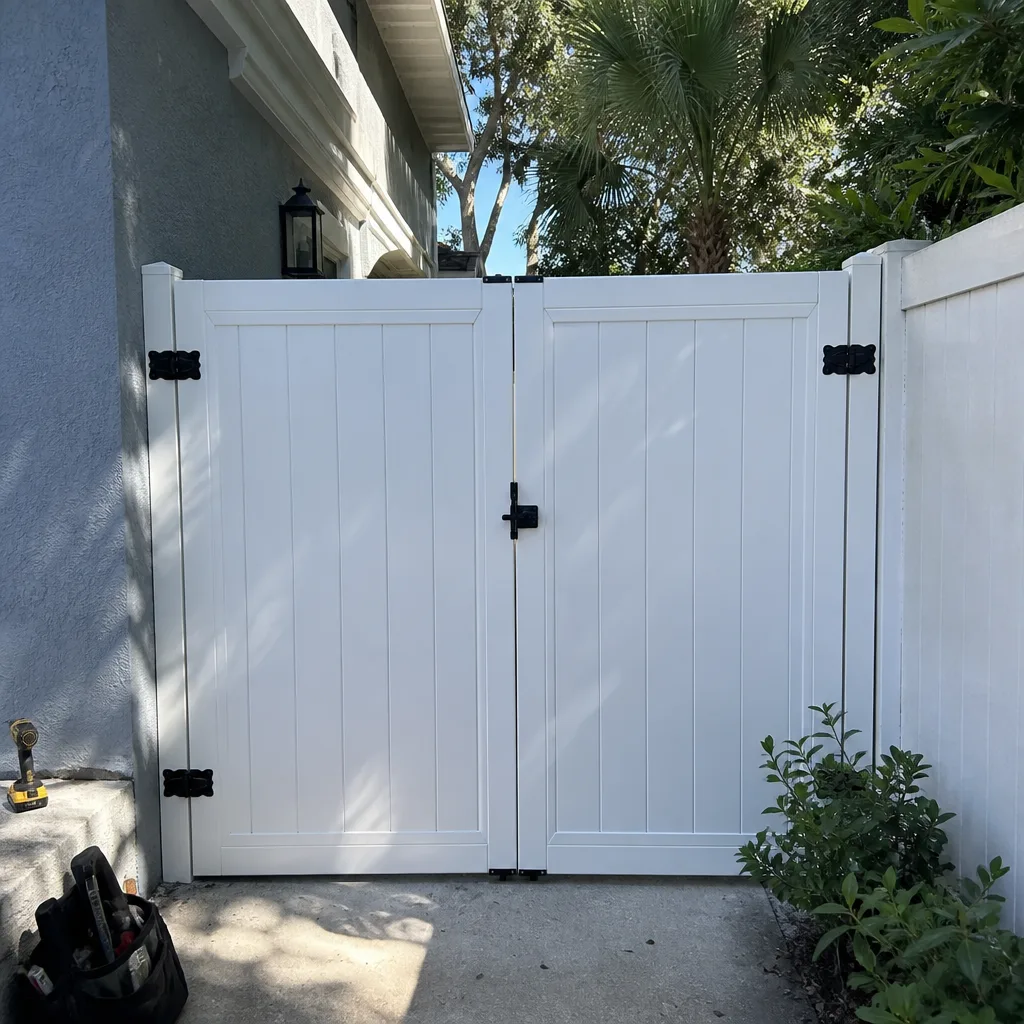 After
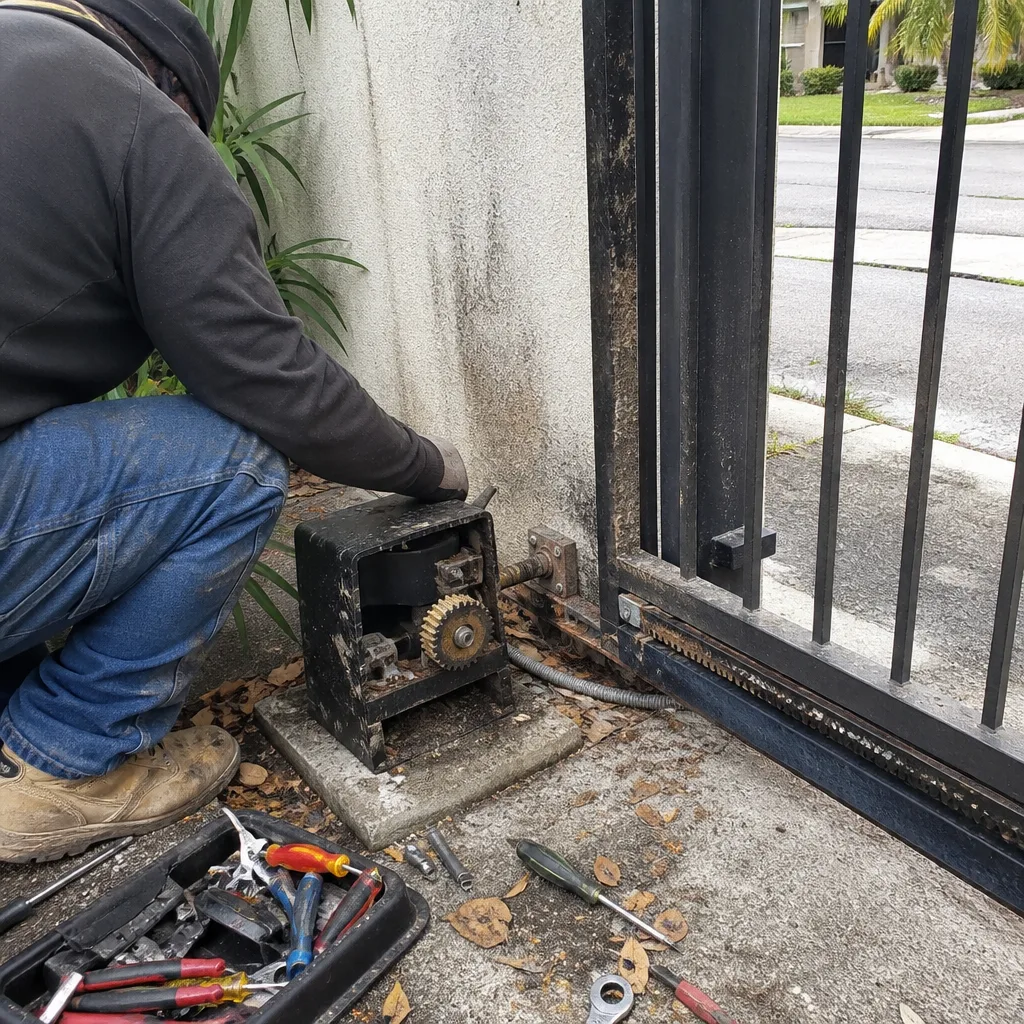 Before
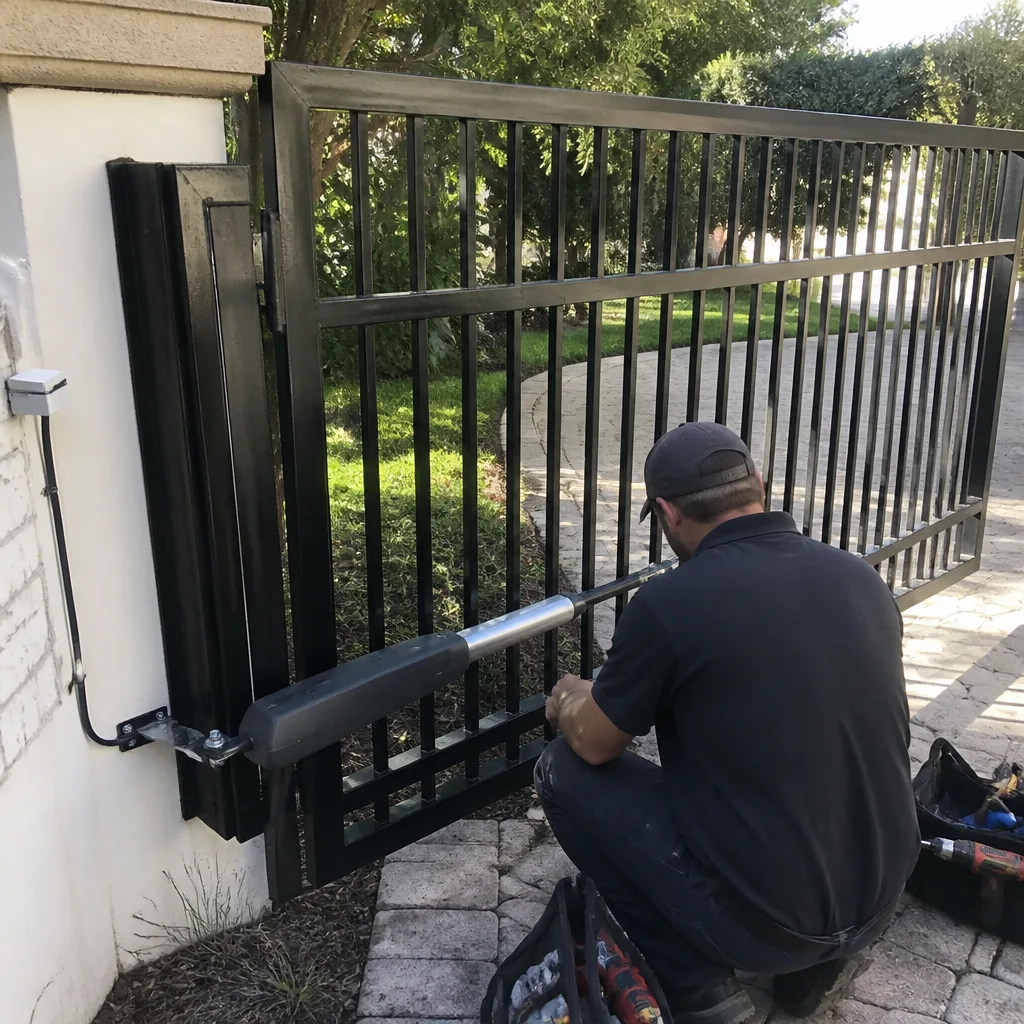 After
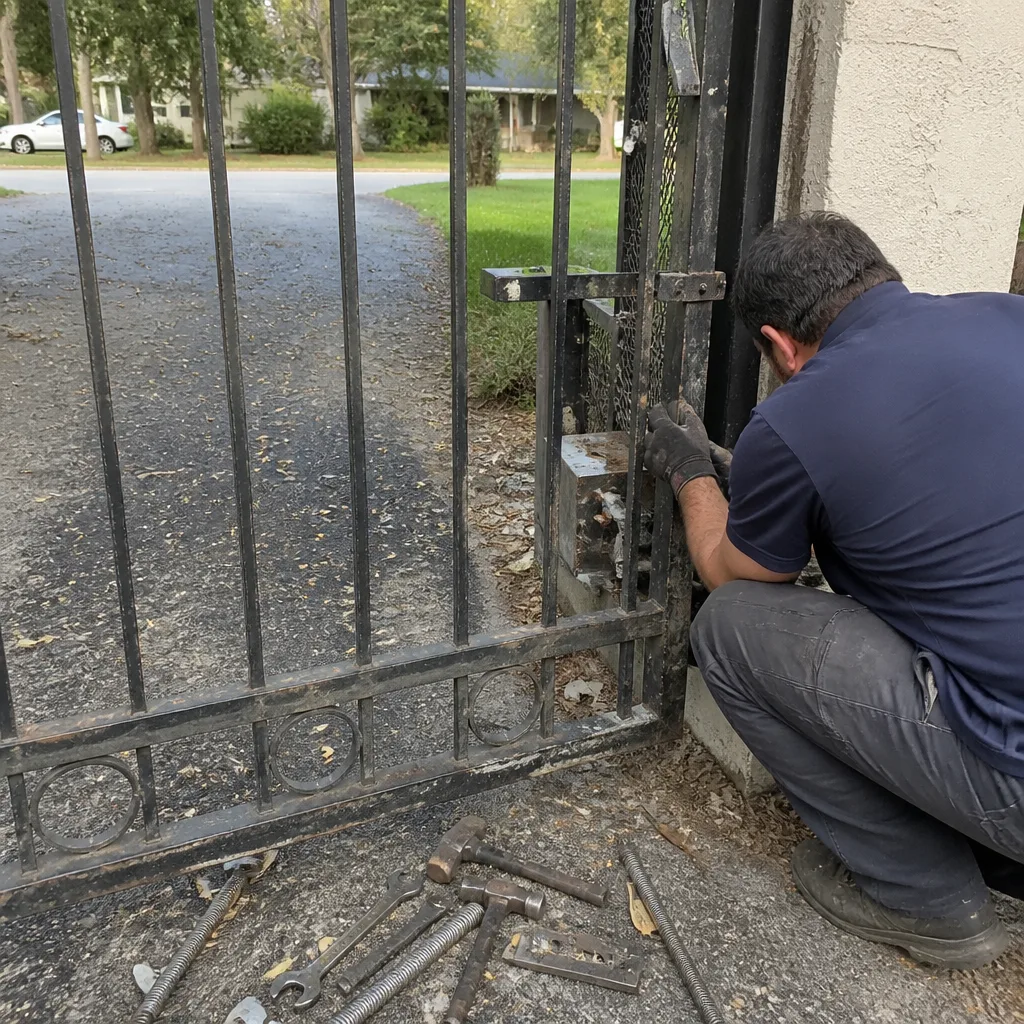 Before
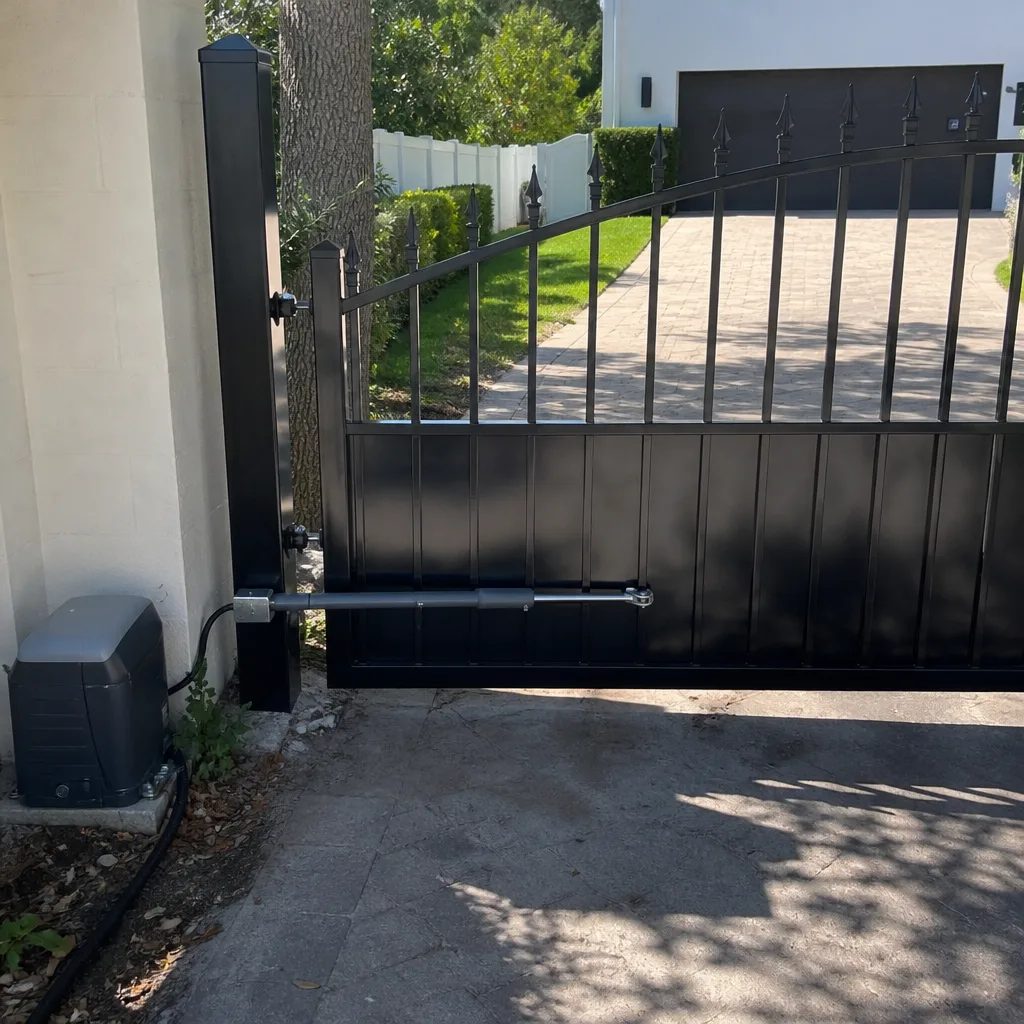 After