Last updated October 31, 2026
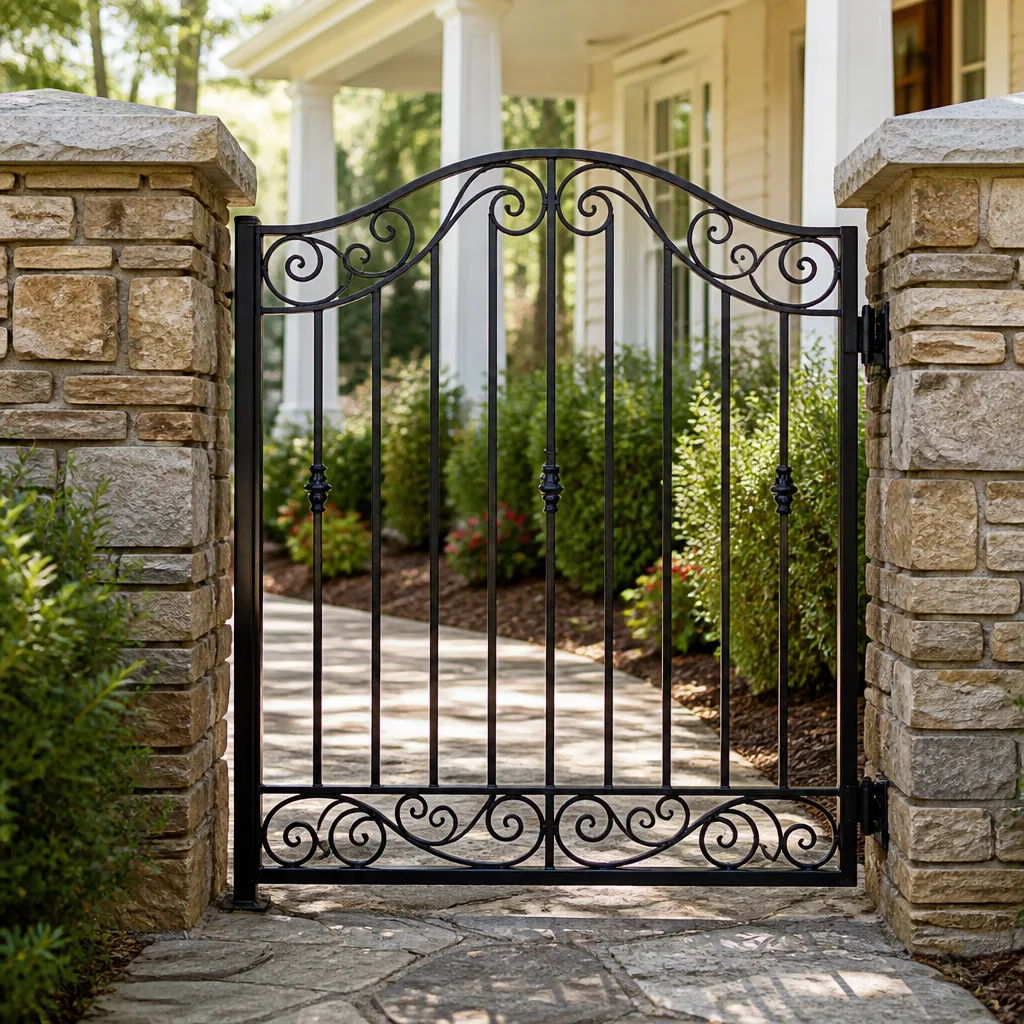 Wrought iron
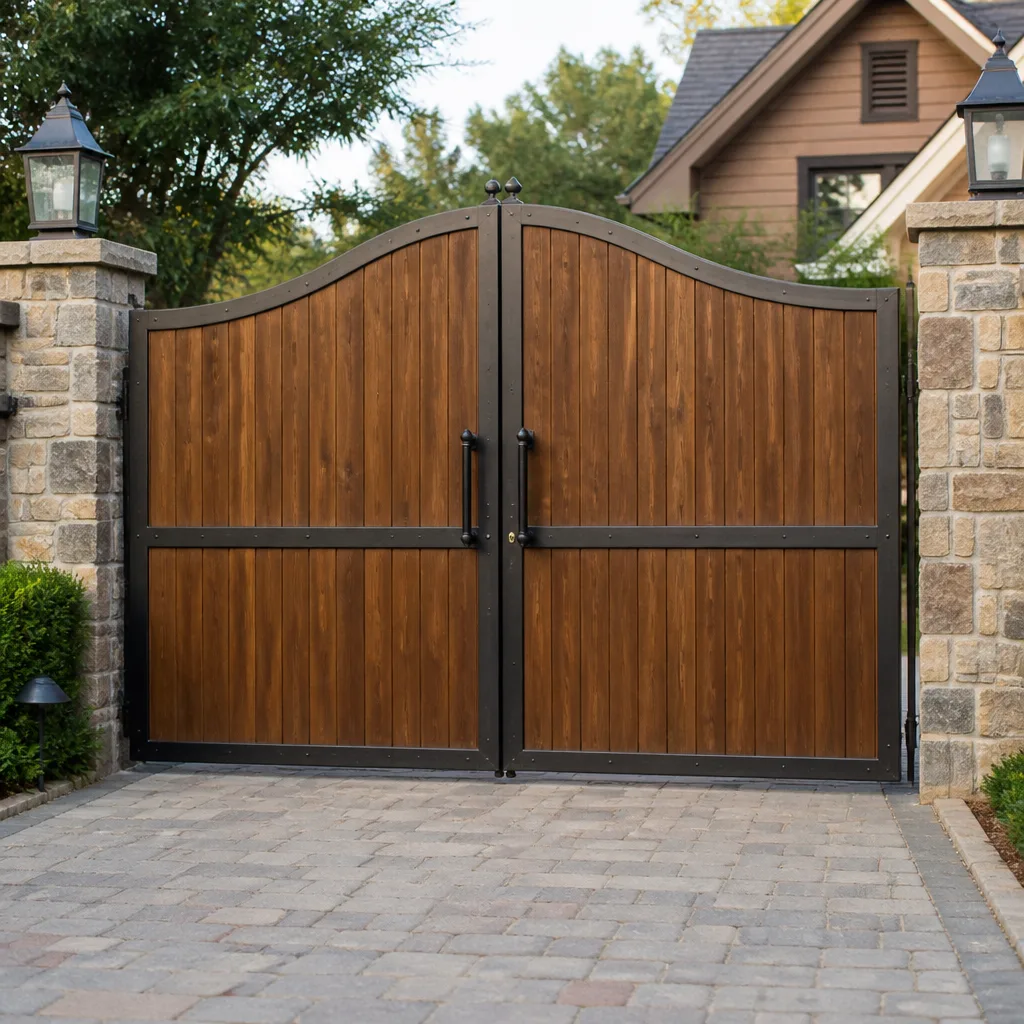 Wood & steel frame
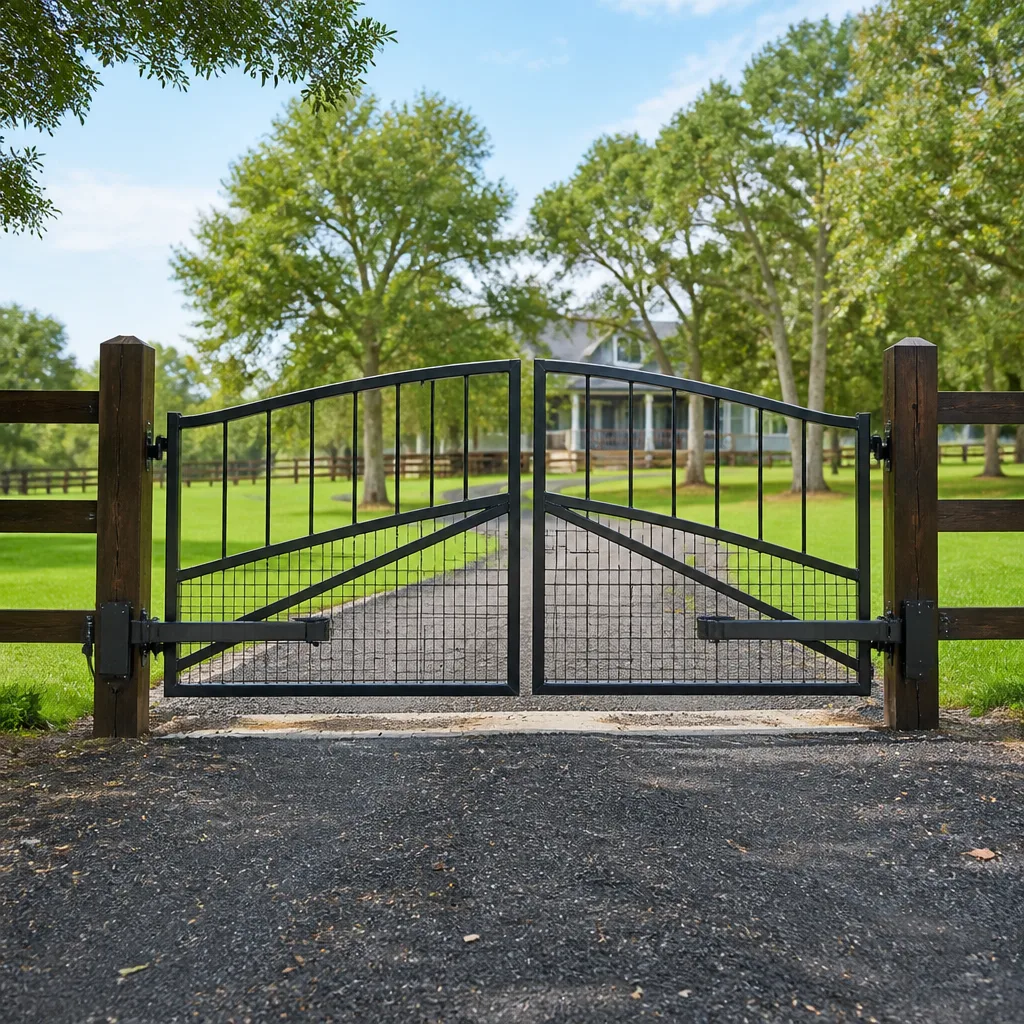 Farm & ranch
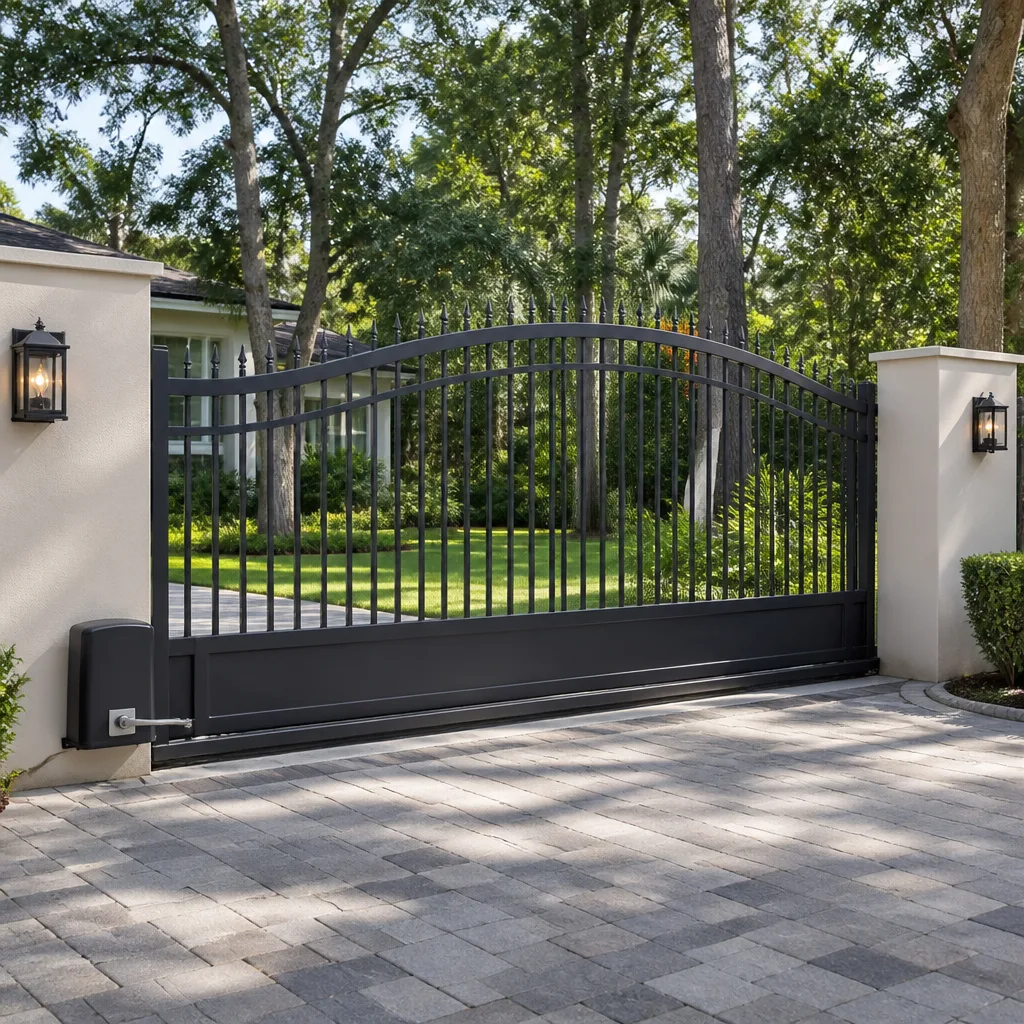 Sliding driveway gates
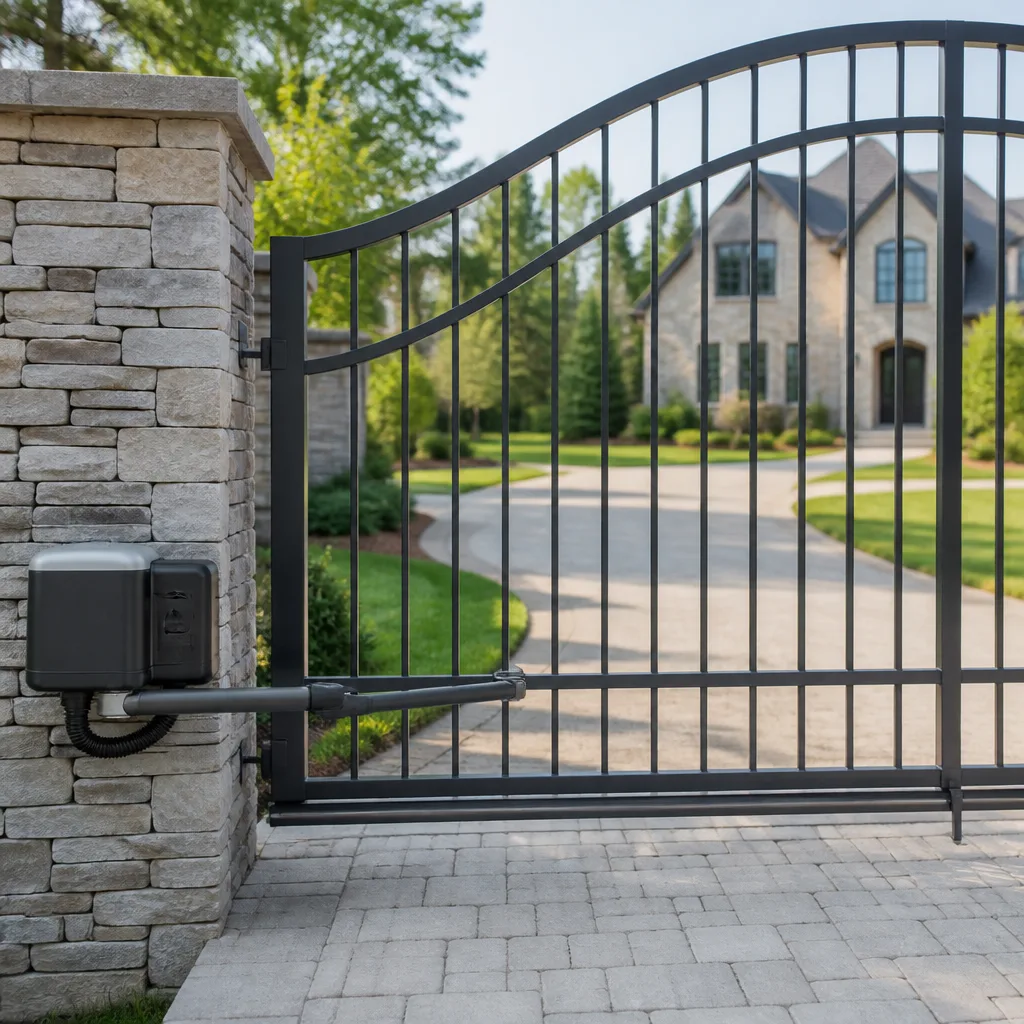 LiftMaster operators
Free on-site gate assessment - hinges, posts, and your LiftMaster or Nice gate operator checked before anything is quoted
The assessment is free and the quote is the invoice.
Get your free estimateGate Repair Warning Signs: A Tampa Homeowner’s Reference Guide
Most gate failures in Tampa don’t happen all at once. They announce themselves weeks in advance through small changes in behavior that are easy to dismiss as nothing: a half-second hesitation before the gate moves, a click that wasn’t there last month, a hum that’s slightly louder than it used to be. The problem is that Tampa’s heat, humidity, and daily rain cycles turn those small warnings into complete failures faster than homeowners expect. This guide decodes the specific sounds, movements, and visual cues your gate gives you, matches each warning sign to the component that’s actually failing, and tells you which signs allow for a few weeks of monitoring versus which ones need same-week service to avoid a gate that won’t open at all.
Styles & brands we work with
Quick Answer
The most common gate repair warning signs in Tampa are grinding or clicking sounds from the operator, a gate that moves slower than it did six months ago, visible rust at weld points or hinge brackets, and access-control problems like keypads that need multiple attempts or remotes with shrinking range. A gate that reverses direction mid-cycle or hesitates before moving is usually signaling a sensor or limit-switch problem, not a random glitch. Grinding sounds and slow operation should be addressed within a week; a gate that won’t open, won’t close fully, or makes a loud snapping sound needs same-day or next-day service.
Table of Contents
- Sound Warning Signs: What Your Gate Is Telling You
- Why Slow Gate Operation Is a Critical Warning Sign in Tampa’s Heat
- Rust and Corrosion Warning Signs by Gate Material
- Access-Control Warning Signs: Keypads, Remotes, and Intermittent Connectivity
- Movement Warning Signs: Reversing, Hesitation, and Drift
- Which Warning Signs Allow Monitoring vs. Which Need Same-Week Service
- A Safety Note on Springs, Cables, and Powered Operators
- Common Mistakes to Avoid
- When to Call a Professional
- Frequently Asked Questions
- The Bottom Line
Sound Warning Signs: What Your Gate Is Telling You
Sound is the earliest and most reliable diagnostic tool you have, and most Tampa homeowners hear the warning long before they act on it. Every gate operator has a baseline sound profile: a smooth whir from the motor, a soft click when the limit switch engages, a gentle thunk when the gate seats into the close position. When that baseline changes, something specific is failing. Here’s what the most common sounds mean.
Grinding or Scraping
A grinding sound almost always points to the drive mechanism, not the motor itself. On a slide gate, it’s typically the drive chain or rack and pinion fighting against debris, misalignment, or worn teeth. On a swing gate, it’s usually the actuator’s internal gears or a hinge that’s lost lubrication and is now metal-on-metal. In Tampa, fine sand and crushed-shell landscaping material work their way into drive components faster than in most climates, so grinding often develops within months of the last cleaning. If you’re hearing grinding from a FAAC or BFT swing-gate actuator, the internal gear train is the prime suspect. From a slide-gate operator, check the chain tension and rack alignment first. A grinding gate won’t fix itself; the friction is actively wearing the components every cycle.
Clicking That’s New or Louder
Clicking can be normal at the start and end of a cycle. What’s not normal is clicking that happens mid-cycle, clicking that repeats rapidly, or a click that’s now loud enough to hear from inside the house. Rapid clicking at startup usually means the motor’s start capacitor is failing and the operator can’t get enough initial torque to move the gate. A single loud click followed by no movement is typically the limit switch or a tripped internal breaker. We see this frequently on Linear and Viking operators that have been through several Tampa storm seasons; the humidity accelerates capacitor degradation. A failing capacitor is a relatively inexpensive repair if it’s caught early, but if you keep pressing the remote while the operator clicks, you can burn out the motor, which is a much bigger job.
Humming With No Movement
A humming sound with no gate movement is the sound of a motor receiving power but unable to turn. On a slide gate, the motor may be bound up by debris in the track or a wheel that’s seized. On a swing gate, a hum with no movement often points to a failed run capacitor or an obstruction the operator can’t overcome. It can also signal a thermal overload condition: the motor has overheated and tripped its internal protection. In Tampa’s summer months, this is more common than most homeowners realize. An operator sitting in direct sun on a 95°F day is already running hot before it does any work. If the motor hums and won’t move, stop pressing the remote. Let it cool down, then have the operator diagnosed; continuing to send power to a bound motor is how windings get fried.
Sound changes are worth investigating immediately, even if the gate still works. The sound is the early warning that lets a technician fix a $40 capacitor before it becomes a $400 motor replacement. That’s the pattern we see again and again in Tampa: small sound, big bill, because the sound was ignored for a few months.
Why Slow Gate Operation Is a Critical Warning Sign in Tampa’s Heat
A gate that moves noticeably slower than it did six months ago is not just an annoyance. It’s a measurable sign that something is working harder than it should be, and in Tampa’s climate, that extra work has a compounding effect. Heat is a motor’s worst enemy, and a slow gate is a gate that’s generating more heat per cycle than it was designed to handle.
Here’s what happens in a Tampa summer. Ambient temperatures routinely hit 90°F to 95°F. A gate operator sitting in full sun absorbs additional radiant heat; the internal temperature of the housing can easily reach 120°F to 130°F before the motor even runs. When the motor runs, it generates its own heat through electrical resistance and mechanical friction. If the gate is slow because of a binding hinge, low hydraulic fluid, a misaligned track, or a motor that’s undersized for the load, the motor runs longer per cycle and draws more current. More current means more heat. More heat means faster degradation of the motor’s insulation, capacitors, and bearings. It’s a feedback loop.
The rule of thumb we use: every 18°F increase above the motor’s rated operating temperature cuts the motor’s service life roughly in half. A slow gate on a hot Tampa afternoon can easily be running 30°F to 40°F hotter than spec. That turns a motor that should last 10 to 12 years into one that fails in 5 or 6. And that’s before we talk about the control board, which is also sitting in that hot housing. Control boards are less tolerant of heat than motors; board failures from heat soak are a leading cause of electric gate repair calls in Tampa between June and September.
Slow operation doesn’t always mean the motor is dying. On a hydraulic swing-gate operator, slow movement frequently means the hydraulic fluid is low or has thickened from age and heat exposure. On a slide gate, it can mean a wheel bearing is starting to seize or the track has shifted slightly. Those are fixable issues, but only if they’re caught while the gate is slow. By the time the gate stops moving entirely, the damage is usually much more expensive to repair.
If your gate takes 20 seconds to open when it used to take 12, mark that as a warning sign. Call before the gate becomes a problem that traps your car inside or outside on a workday morning. For a deeper look at what’s involved in an electric gate diagnosis, see our Electric Gate Repair in Tampa page.
Rust and Corrosion Warning Signs by Gate Material
Rust is the slowest-moving warning sign, but it’s also the one that does the most permanent structural damage. In Tampa, the combination of salt air (especially within a few miles of the bay), high humidity, and daily afternoon storms means every metal gate is in a constant corrosion environment. What matters is how each material fails, because the warning signs are different and the urgency is different.
Wrought Iron Gates
Wrought iron is actually one of the more corrosion-resistant materials in Florida if it’s properly finished, but it fails at the joints and weld points first. Watch for rust staining that appears at the bottom of pickets, around decorative scrollwork, and at every weld. Those are the places water pools and sits. Surface rust can be sanded and repainted; that’s a maintenance item, not a repair. But if you see flaking metal or rust that has eaten a visible pit into the iron, the structural integrity is compromised. A pitted weld on a swing gate can snap under load. In Tampa, we’ve seen wrought iron gates less than ten years old with weld failures at the hinge-side bottom rail because water sat inside the hollow rail with no drainage. Look for a rust streak running down from a seam or a joint; that’s internal rust working its way out.
Aluminum Gates
Aluminum doesn’t rust, which is why it’s so popular for driveway gates in Tampa. But aluminum still corrodes, and it telegraphs the problem differently. Look for white or gray powdery patches on the surface; that’s aluminum oxide, and it means the protective finish has been breached. More seriously, watch for galvanic corrosion at the points where aluminum meets steel hardware: hinge brackets, bolt heads, and any steel fastener that wasn’t isolated with a proper washer or gasket. The steel and aluminum set up a small electrical circuit in the presence of moisture, and the aluminum is the sacrificial metal. If you see white powder building up around a steel bolt on an aluminum gate, that bolt hole is slowly enlarging and weakening. The gate will start to sag or bind at that point. The fix is straightforward if caught early: replace the fastener with an isolated stainless or coated one, and treat the corrosion. Wait too long, and the hole becomes too large to accept a fastener, and the gate section needs replacement.
Steel Gates
Steel is the strongest and most affordable, and it rusts the fastest in Tampa’s climate. The warning sign on a steel gate is rust blistering: the paint lifts off in bubbles because rust is forming underneath and expanding. Blisters almost always mean the corrosion is more advanced than it looks from the outside. If you tap a rust blister and it flakes off to reveal brown, rough metal, you’re looking at active corrosion that’s eating the material. On a slide gate, pay particular attention to the bottom rail, which sits closest to the ground and is exposed to standing water after storms. On any steel gate, inspect the posts where they enter the concrete or the ground sleeve. That’s the most common failure point in Tampa, and it’s also the hardest repair when it’s missed, because the post can rot through below grade and need excavation to fix.
Rust and corrosion are maintenance-first issues. If you catch them at the staining stage, you’re looking at surface work. If you let them progress to flaking, pitting, or blistering, you’re looking at structural work. Either way, the gate’s performance will degrade: it’ll bind, sag, or throw off the operator’s alignment, which brings us to movement problems.
Access-Control Warning Signs: Keypads, Remotes, and Intermittent Connectivity
Access-control problems are the easiest warning signs to talk yourself out of. The remote worked on the third try, so it must be fine. The keypad needed two attempts, but maybe you just hit the wrong numbers. The intercom buzzed and then cut out, but it’s probably the weather. Here’s the thing: access-control failures follow a predictable pattern, and the early warnings are specific.
Keypads That Need Multiple Attempts
A keypad that requires two or three tries before it accepts the code is not a finger problem. It’s the first sign that the keypad’s membrane is wearing out or the internal contacts are corroding. Tampa’s humidity is brutal on outdoor keypads; the moisture creeps in through micro-fractures in the faceplate and starts eating the contacts. The problem usually starts as intermittent missed keypresses, then becomes frequent missed keypresses, then becomes a keypad that fails entirely. The window between “sometimes needs two tries” and “doesn’t work at all” is often just a few weeks in the summer months. Replace the keypad or have it diagnosed when the problem is still intermittent; that’s a relatively quick job. A keypad that’s fully dead often requires rewiring or replacement of the reader, which is more involved.
Remotes With Shrinking Range
If your remote used to open the gate from the street corner and now only works when you’re ten feet away, something has changed. The most common cause is a failing battery, and that’s the first thing to check. But if a fresh battery doesn’t restore the range, you’re likely looking at one of three things: the remote’s antenna is damaged, the receiver in the control board is degrading, or there’s a new source of radio interference in the area. Tampa neighborhoods have gotten denser with Wi-Fi networks, smart-home devices, and LED lighting, all of which can generate interference in the same frequency bands gate remotes use. Range that’s been steadily shrinking over months points to the receiver; range that dropped suddenly after a storm points to water intrusion or a damaged antenna. Either way, don’t wait until the remote stops working entirely, because a gate that won’t respond to the remote when you’re outside in the rain is a bad situation.
Intermittent Connectivity on Intercoms and Phone Systems
If your gate intercom rings, connects, and then drops, or your phone-based entry system works sometimes and not others, you’re looking at a signal integrity issue. In Tampa, we see three recurring causes on systems from Linear, Viking, and similar access-control brands: corroded connections at the pedestal, a failing power supply sending unstable voltage, or a cellular-based system that’s in a dead zone. Intermittent connectivity usually degrades to no connectivity within a few weeks. And here’s the part that frustrates homeowners most: by the time the system has failed completely, the main control board has often been damaged by the power-supply problem that caused the intermittent behavior in the first place. Catch it while it’s intermittent, and the repair is often a power supply or a connector. Wait until it’s dead, and you’re often replacing a control board.
Movement Warning Signs: Reversing, Hesitation, and Drift
Movement problems are the warning signs most homeowners misread as random glitches, and that misreading is expensive. A gate that reverses direction for no apparent reason isn’t malfunctioning randomly. It’s almost always a misaligned or dirty photocell, and ignoring it for another month usually means the motor eventually burns out trying to fight a false obstruction signal. Here’s how to decode the most common movement warnings.
A Gate That Reverses Mid-Cycle
If your gate starts to close and then reverses before it reaches the fully closed position, something is telling the operator that an obstruction is present. In Tampa, the usual suspects are a photocell that’s drifted out of alignment (the safety beam no longer hits the reflector squarely), a photocell lens that’s coated with pollen, dust, or dried rain residue, or a safety loop in the driveway that’s picking up false readings. The operator is doing exactly what it’s designed to do; it’s refusing to close because it thinks something is in the way. The problem is that every aborted cycle and every reversal adds wear to the motor and the drive train. A gate that reverses two or three times before it closes is tripling its work per cycle. That’s not sustainable, and the motor usually fails within a few months if the sensor problem isn’t corrected. This is one of the warning signs that needs same-week attention.
Hesitation Before Movement
A half-second or full-second pause between the moment you press the remote and the moment the gate starts moving can be normal, especially on larger operators that need to build torque. But if the pause has gotten longer over time, or if the gate stutters before it moves, you’re looking at a start-capacitor that’s losing capacity or a motor that’s beginning to struggle against increased mechanical resistance. In our experience with FAAC and BFT swing-gate actuators, hesitation that’s accompanied by a dimming of the operator’s indicator lights usually means the capacitor is on its way out. Hesitation that’s accompanied by a grinding or groaning sound usually means the problem is mechanical and the motor is straining. Both situations are early warnings that get cheaper to fix the sooner they’re addressed.
A Gate That Drifts Out of Position
If your gate doesn’t close all the way, or it closes and then drifts back open a few inches, or it stops a few inches short of fully open, your limit switches or your mechanical stops are shifting. On an automatic gate, the limit switch tells the operator where “open” and “closed” are. When the switch wears or the actuator’s internal stops drift, the gate’s travel range changes. You might also notice the gate slamming into the open stop or not seating into the close stop. Drift is worth addressing early because a gate that doesn’t fully close is a security gap, and a gate that overtravels at the open position can damage the actuator or the gate itself. Drift is also a sign that the operator needs a full cycle recalibration, which is a normal maintenance item that a gate technician handles routinely.
Which Warning Signs Allow Monitoring vs. Which Need Same-Week Service
Not every warning sign is an emergency, and knowing the difference matters. If you treat every small noise as a crisis, you’ll spend money on service calls that aren’t urgent. If you treat every warning sign as something to watch, you’ll eventually find yourself with a gate that won’t open when you need to leave for work. Here’s the breakdown we give Tampa homeowners.
Signs You Can Monitor for 2 to 4 Weeks
- Surface rust or first-stage rust staining on wrought iron or steel, with no flaking or pitting. Clean the area, apply a rust-inhibiting primer, and monitor. If it returns quickly, you have a moisture problem worth addressing.
- Mildly reduced remote range after replacing the battery. If the range is stable, it’s often not urgent. If it keeps shrinking over two to three weeks, schedule a diagnosis.
- Occasional missed keypress on the keypad (once every 10 to 15 uses). Clean the keypad face and monitor. If the frequency increases, replace or repair the keypad.
- Very slight cosmetic drift in gate position (the gate stops half an inch short of where it used to) on a gate that otherwise operates normally. This can be recalibrated at the next maintenance visit.
- A new but very faint sound that doesn’t change the gate’s speed and doesn’t worsen over a week of observation.
Signs That Need Same-Week Service
- Grinding, scraping, or metal-on-metal sounds that occur with every cycle. Something is being worn away every time the gate moves.
- A gate that reverses mid-cycle more than occasionally. The false obstruction signal is adding wear and can burn out the motor.
- Noticeable slow operation in hot weather. The heat is compounding the problem, and the motor is degrading fast.
- Rust that flakes or pits at a weld point, hinge bracket, or post base. This is structural, and the gate is getting weaker.
- Keypads that need multiple attempts on most uses, or remotes that only work within a few feet. These usually fail completely within days to weeks.
- Humming with no movement on any cycle. The motor is either bound or overheated, and continuing to try is damaging it further.
Signs That Need Same-Day or Next-Day Service
- A gate that will not open or will not close at all.
- A loud snapping or popping sound from the gate or operator, followed by abnormal movement or no movement. This usually means a broken spring, cable, chain, or gear.
- Visible sagging of the gate, to the point where it drags on the ground or no longer aligns with the latch or lock.
- Smoke, burning smell, or visible sparking from the operator housing. Cut power at the breaker and call immediately.
The goal is to resolve a problem while it’s still in the same-week category, because that’s when the repair is usually a component-level fix: a new capacitor, a cleaned sensor, a recalibrated limit, a replaced hinge. Once a gate reaches the same-day category, you’re often looking at more expensive and more extensive repairs. As a dedicated gate specialist handling Gate Repair in Tampa, we prefer the capacitor to the motor replacement every time.
A Safety Note on Springs, Cables, and Powered Operators
Before we go any further, we need to say this clearly: some components on an automatic gate are dangerous, and the danger isn’t always obvious. Slide-gate operators, swing-gate actuators, and the springs and cables that support gate movement all store significant mechanical energy. Gates are heavy; a swing gate averages 300 to 600 pounds, and a slide gate can weigh over 1,000 pounds. When a spring snaps, a cable breaks, or a gear strips, that energy releases suddenly.
We strongly recommend that homeowners do not attempt to replace gate springs, tension cables, or internal operator components themselves. The specific dangers are real. Torsion springs and tension springs under load can cause severe injury if they release unexpectedly. Slide-gate chains and drive mechanisms can crush fingers or hands if the gate moves during disassembly. Electric operators carry line voltage and capacitor charge even when the unit is switched off. If your gate is making a sound you can’t identify, or a component looks broken, or the gate is behaving unpredictably, shut off power at the breaker, keep people and pets away from the gate’s travel path, and call a trained professional. For guidance on selecting the right technician, see How to Hire a Gate Repair Contractor in Tampa: A Step-by-Step Guide. Diagnosis is safe. Repair is a job for someone who does this work every week.
Common Mistakes to Avoid
- Pressing the remote repeatedly when the gate doesn’t respond. Every press sends power to a motor that may be bound or a board that’s already struggling. This is how a simple capacitor failure becomes a full motor replacement. Try once, then stop and diagnose.
- Lubricating hinges and tracks without cleaning first. In Tampa, the dust and sand that settles on gate hardware turns lubricant into grinding paste if it’s not cleaned off first. Clean, then lubricate, using a lubricant designed for outdoor gate use.
- Ignoring slow operation because the gate still works. A slow gate on a hot day is a gate cooking its own motor. The fact that it opens doesn’t mean it’s healthy.
- Treating a reversing gate as a quirky glitch. The gate is reversing because a sensor is telling it to. Disconnecting the sensor to force the gate closed is a safety risk and usually causes a bigger failure. Fix the sensor, don’t bypass it.
- Pressure-washing the operator housing or keypad. Pressure washers force water past seals and into electronics. In Tampa’s humidity, that trapped moisture causes corrosion that takes weeks to show up. Use a damp cloth, not a pressure washer, on any gate electrical component.
- Deferring rust treatment until “dry season.” Tampa’s dry season is relative; humidity stays high from October through May, and rain falls year-round. Rust doesn’t pause for the calendar. Treat it when you see it.
- Calling a general handyman for an automated gate problem. Automatic gates combine structural mechanics with electronics, access control, and safety systems. What looks like a mechanical problem often has an electrical root cause, and vice versa. A handyman who fixes fences is not the right specialist for an operator that reverses mid-cycle.
When to Call a Professional
Call a professional the moment your gate makes a sound you can identify but can’t explain, moves differently than it did last month, or shows rust that flakes rather than wipes away. If the gate will not open or close, if it hums without moving, or if you see a snapped cable or a visibly damaged component, that’s a same-day call. And if anything about the gate’s behavior makes you uncertain about safety, shut off the power and call. In our experience, Tampa homeowners who call at the first clear warning sign typically face a repair that costs a fraction of what it would have cost a month later. Kingston Gate Repair offers our Gate Repair services with free estimates in Tampa – call (877) 752-3303 and we’ll help you figure out what’s happening, whether it’s urgent, and what the repair looks like.
Frequently Asked Questions
Gate repair costs in Tampa vary widely by the component that’s failed and the operator type. Minor repairs like a replacement capacitor, keypad swap, or sensor realignment typically run $150 to $400 including parts and labor. Mid-range repairs like a new control board, actuator repair, or hinge replacement usually fall between $400 and $900. Full operator replacement or major structural work on the gate itself can range from $1,200 to $3,500 or more depending on the operator brand and gate size. The cost depends on what’s actually failed; a diagnosis is the only way to know which category you’re in. Call (877) 752-3303 for an exact quote – estimates are free.
Yes, a gate that won’t open is a priority call, and we handle emergency gate repair for Tampa homeowners who can’t get their car out or who need security restored. Call (877) 752-3303 and explain what the gate is doing (or not doing), and we’ll get someone out as quickly as possible. The sooner you call, the better your scheduling options.
A gate that reverses mid-cycle is usually responding to a false obstruction signal from a misaligned photocell, a dirty sensor lens, or a safety loop reading something that isn’t there. The operator refuses to close because it believes something is in the path. The fix is usually a sensor realignment or cleaning, but it should be done promptly; repeated reversal cycles add significant wear to the motor and drive train.
A humming sound with no movement means the motor is getting power but can’t turn. The cause is typically a bound drive mechanism, a seized wheel or hinge, or a failed capacitor. It can also mean the motor has overheated and tripped its internal thermal protection. Stop pressing the remote and call for service; continuing to send power to a bound motor damages the windings and turns a small repair into a motor replacement.
We recommend an annual service visit for automatic gates in Tampa, and ideally twice a year for gates that cycle more than 20 times per day or sit within a mile of salt water. For a complete maintenance schedule, see our Seasonal Gate Repair Care for Tampa: Year-Round Homeowner’s Guide. The humidity, heat, and daily rain cycles here accelerate corrosion and component wear compared to drier climates. A maintenance visit catches rust, worn hinges, degraded capacitors, and drifting sensors before they become failures.
We service nine major gate operator brands: LiftMaster, FAAC, BFT, Linear, Viking, Ghost Controls, DoorKing, Elite, and Mighty Mule. That covers entry-level residential operators, mid-range systems, and heavy-duty commercial equipment. If your gate runs on one of those brands, our technicians already know the operator’s specific failure modes and service points. Call (877) 752-3303 to confirm your model and schedule a diagnosis.
The Bottom Line
Your gate tells you when it’s failing. The sounds, the slower movement, the rust at the joints, the keypad that needs two tries, the reverse mid-cycle – these are all messages with specific meanings. The difference between a $200 repair and a $2,000 replacement in Tampa often comes down to whether the warning sign was caught in the first few weeks or ignored for a few months. Heat and humidity here punish procrastination more than in any other major Florida market. If your gate is doing anything it didn’t do six months ago, trust that observation and get it checked. It’s the cheapest insurance you can buy for the thing that keeps your home secure, your mornings moving, and your family safe.
Kingston Gate Repair home is your source for gate repair, electric gate repair, and new Gate Installation in Tampa. Call (877) 752-3303 for a free estimate.
Written by the team at Kingston Gate Repair, serving Tampa since 2013.
See the difference
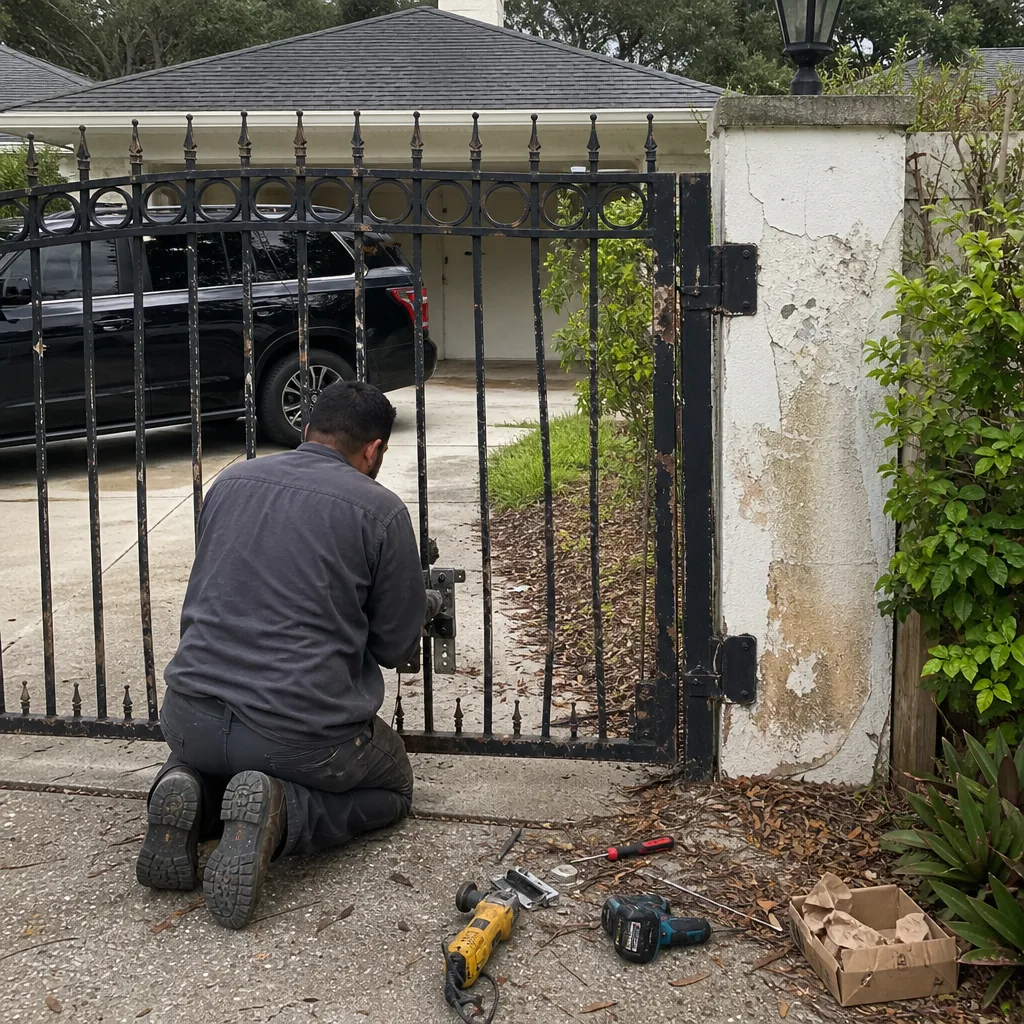 Before
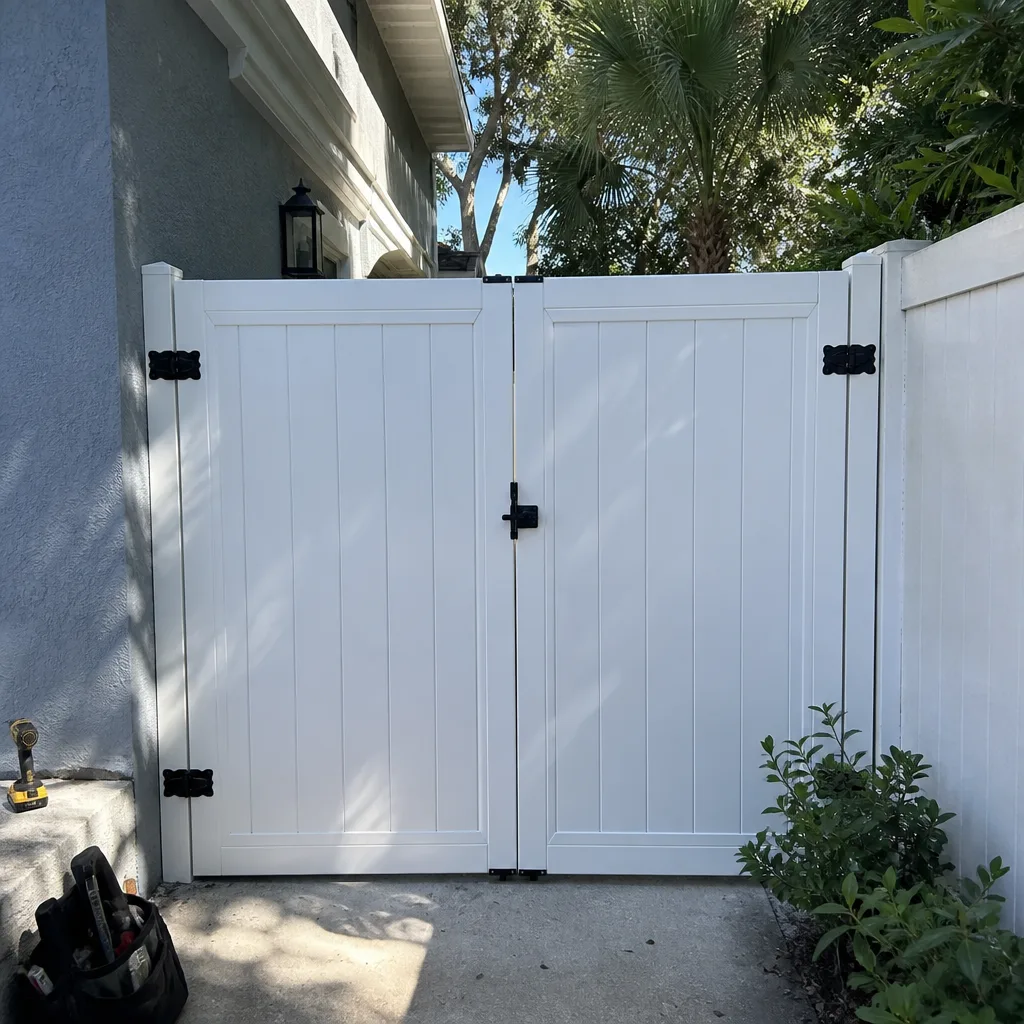 After
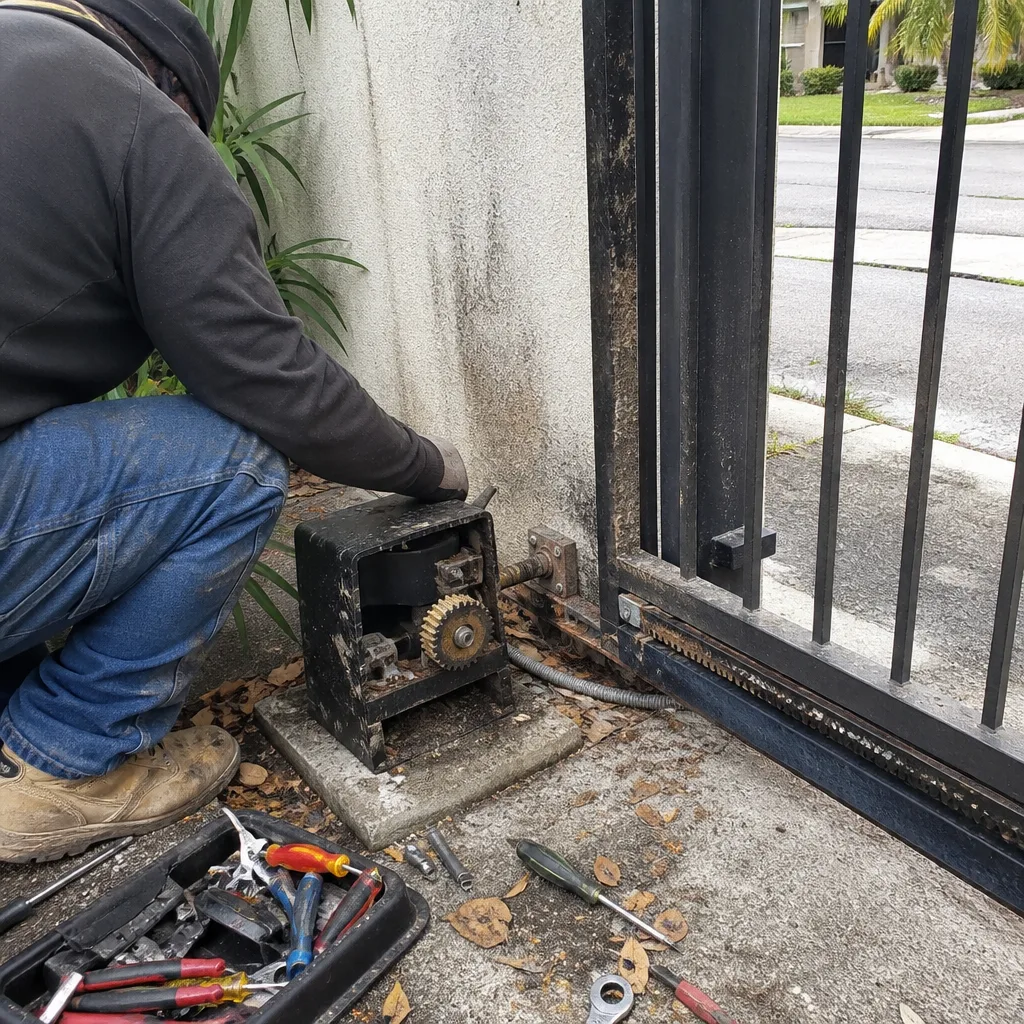 Before
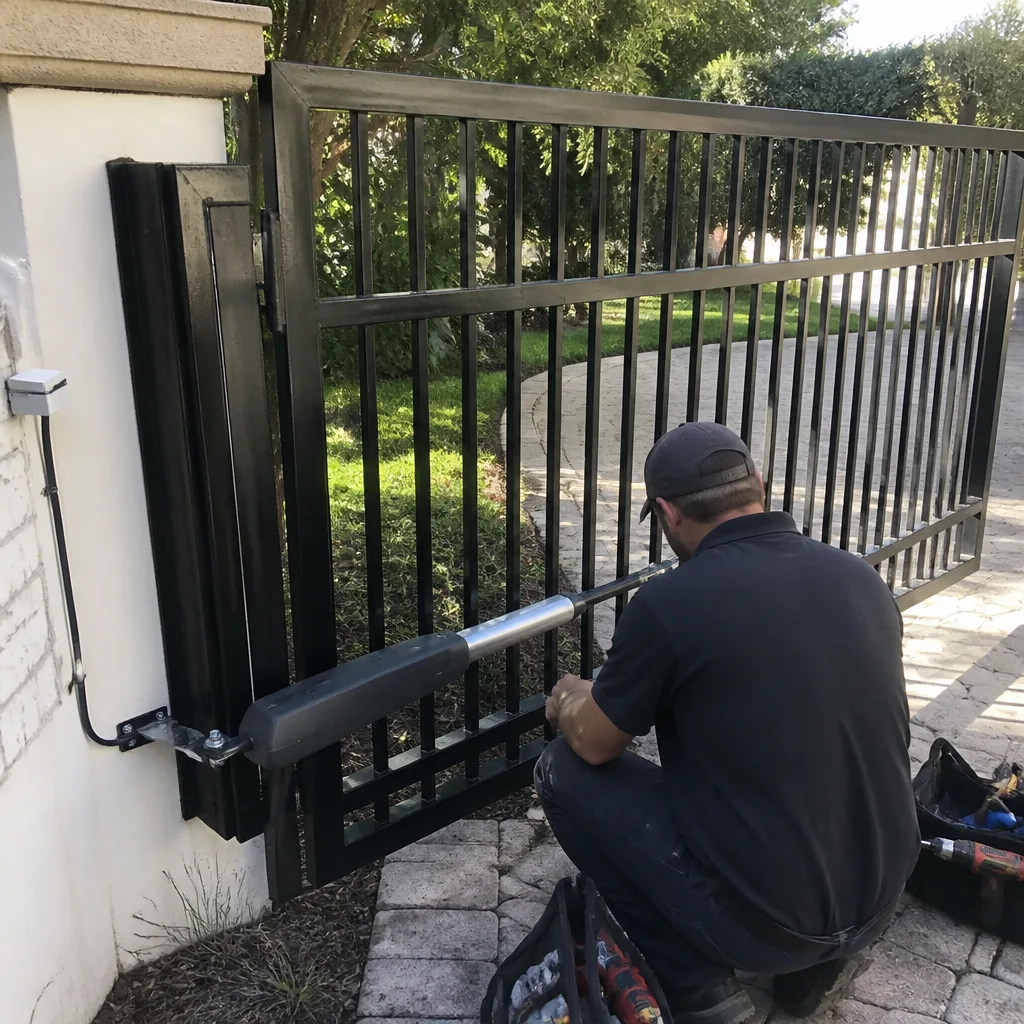 After
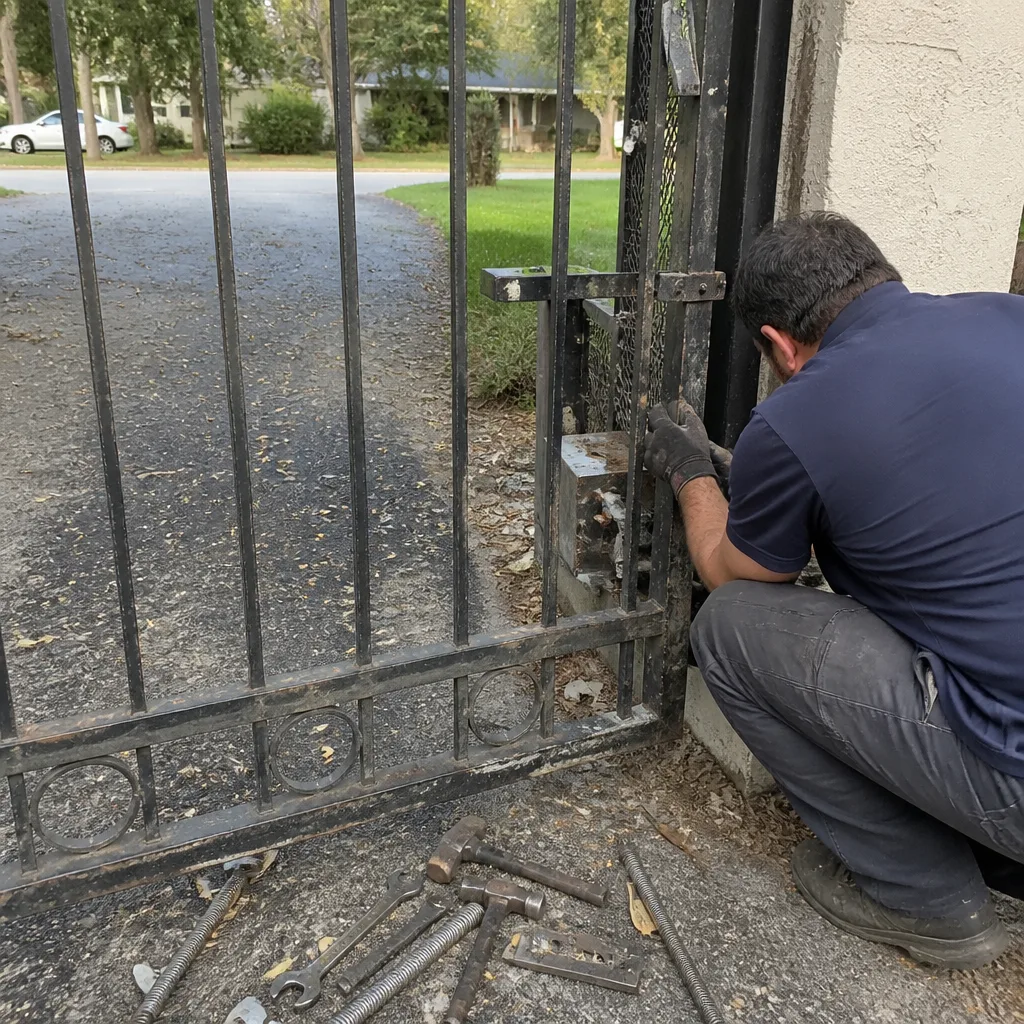 Before
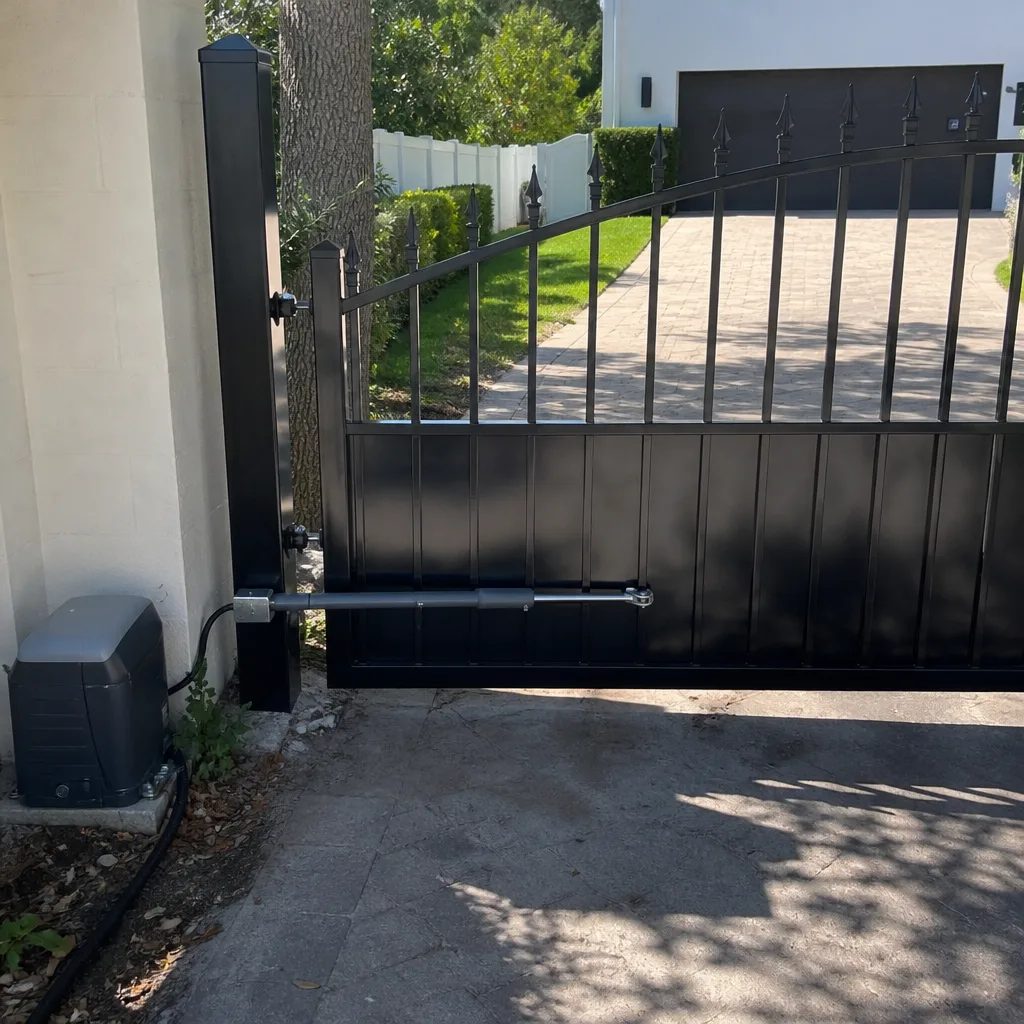 After